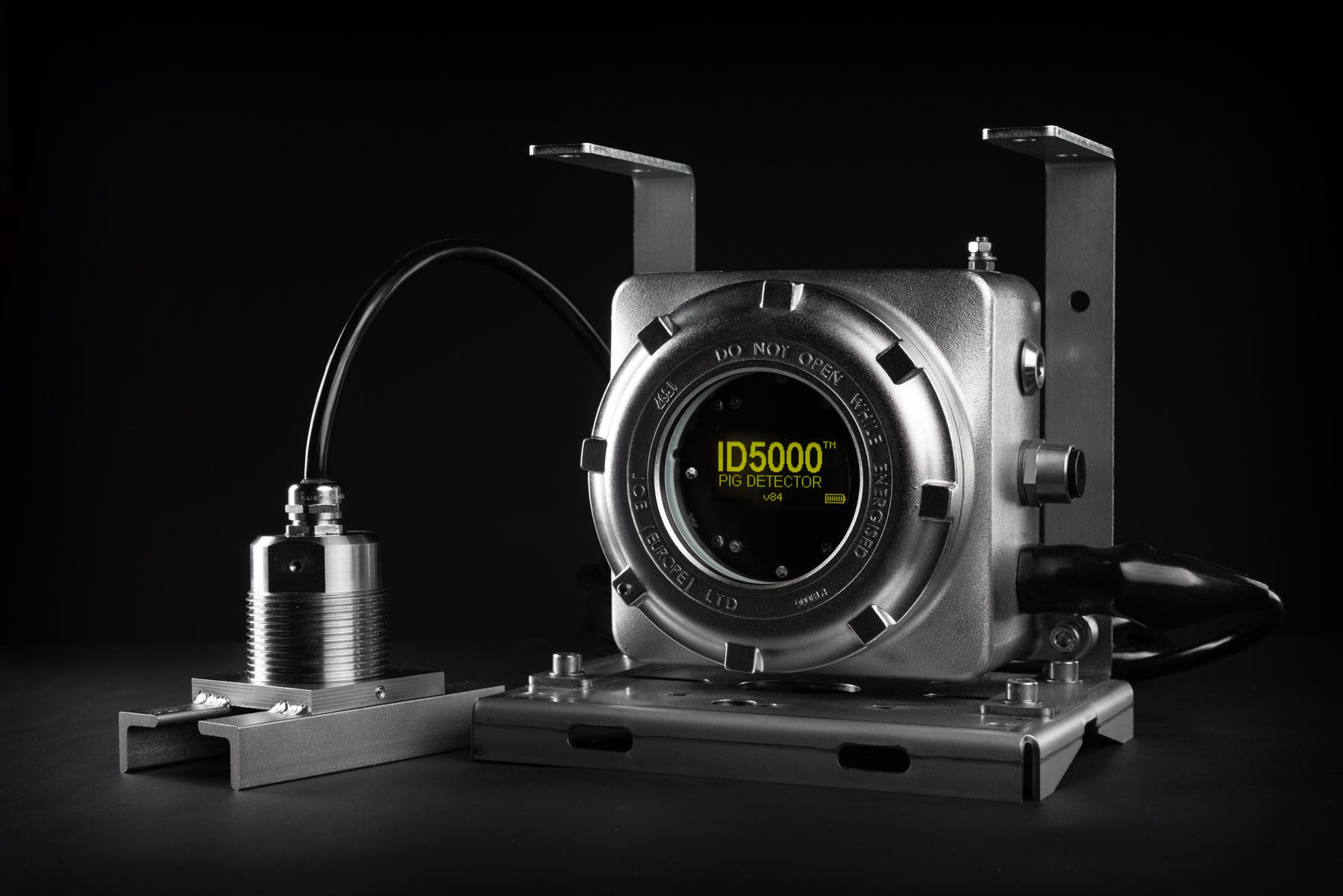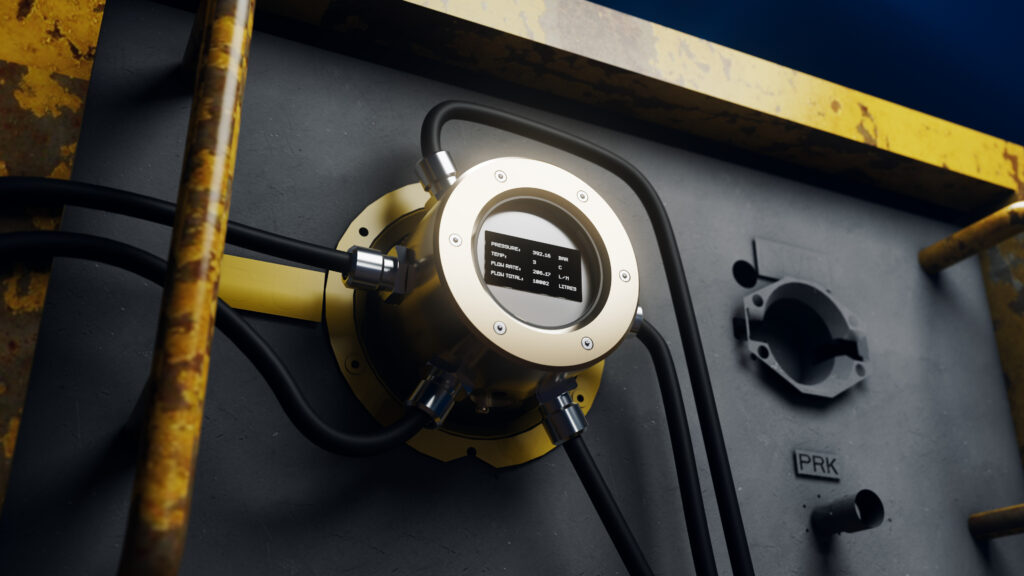
Innovation in subsea technology is most often driven by a practical challenge in the field. The Loop Data Hub originated from a specific requirement – how to simplify and enhance data logging within subsea flushing and pressure testing operations.
Originally developed for a major global contractor, Loop was not conceived as a standalone product, but as a solution to a very real operational problem. The result is a system that has evolved beyond its initial application, becoming a flexible data hub capable of supporting a wide range of offshore activities.
The Challenge: Moving Beyond Traditional Systems
Data logging in subsea environments often relies heavily on internal sensors connected via hoses. While functional, this approach introduces complexity:
- Physical routing of hoses across systems
- Increased setup time and potential failure points
- Limitations on system flexibility and scalability
The requirement from the client was to simplify the system, improve usability, and enhance capability. The goal was not to replicate existing functionality, but to rethink how data could be captured and managed subsea.
Building on Existing Technology
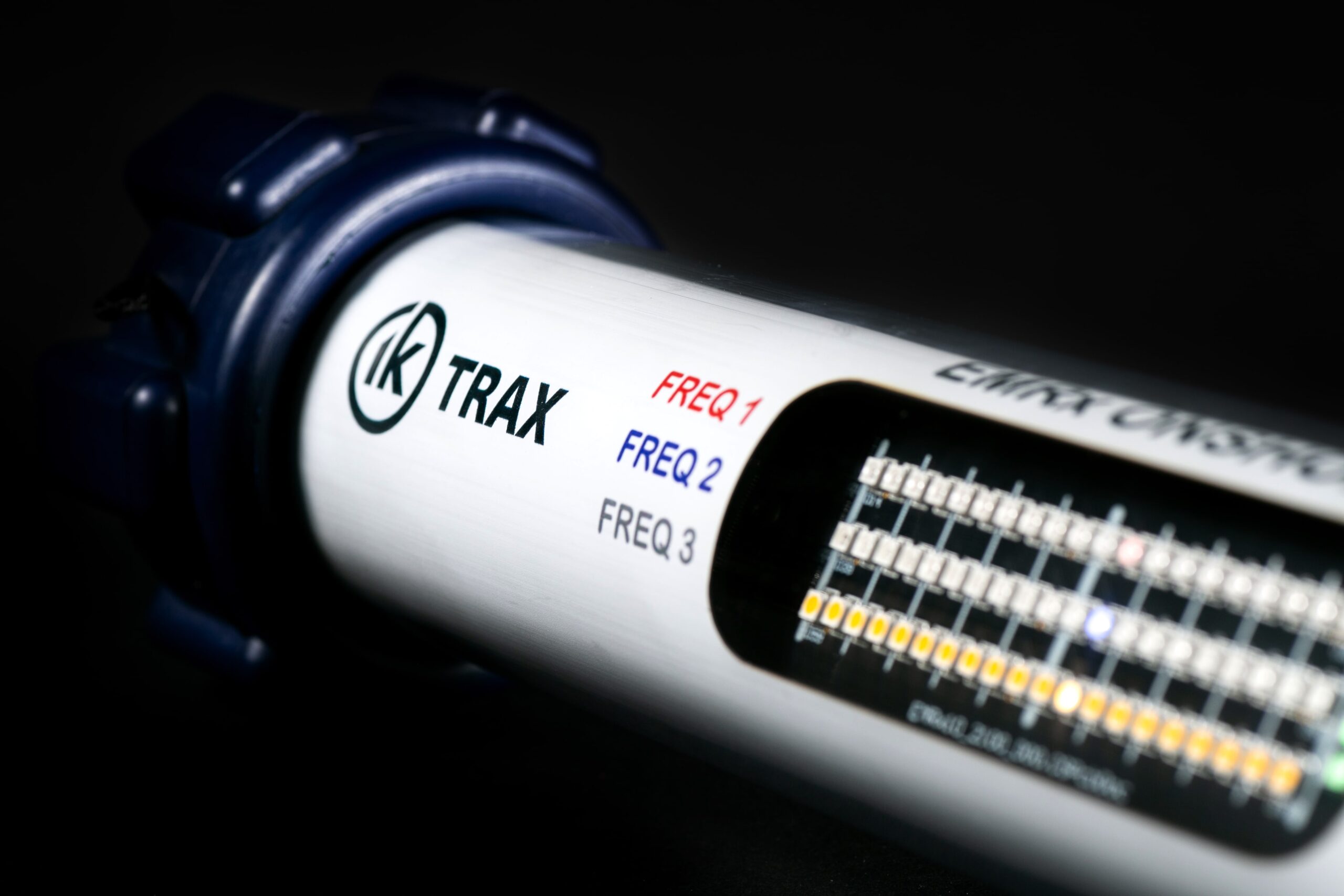
Development began with an existing IK Trax product: the 6001 data logger. The 6001 was already widely used for pressure testing, but its design – based on internal sensors and hose connections – limited how it could be deployed within larger, integrated systems.
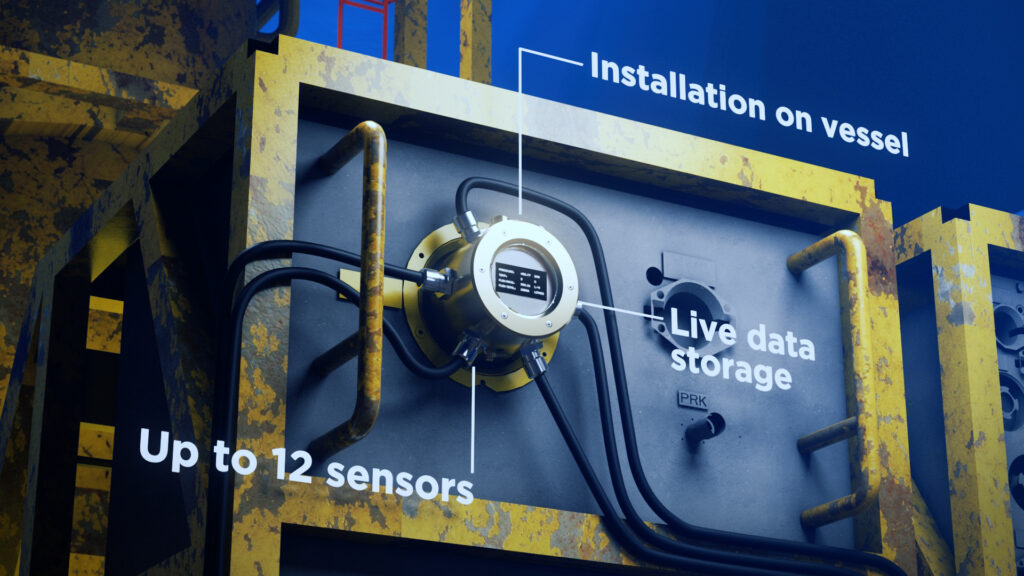
Loop represents a fundamental shift from internal sensors to external, connected sensors as well as from hose-based connections to electrical interfaces. This change allowed sensors to be mounted directly where measurements were needed, with simple electrical connections feeding data into the system.
Engineering the Transition
Moving from a hose-based system to an electrically connected one was not just a design update – it required a rethink of how the system interfaced with the sensors. Key technical developments included:
Intelligent Sensor Integration
Loop was designed to communicate directly with connecting sensors, allowing:
- Automatic recognition of sensor type
- Configurable units (e.g PSI/bar, °C/°F)
- Simplified setup in the field
This transformed the system from a passive logger into an intelligent data interface.
Adding Flow Measurement
Initial versions of Loop focused on pressure and temperature monitoring. However, as requirements evolved, so did the system.
Adding flow measurement required further development, including:
- A dedicated circuit board
- Integration with existing inputs
- The ability to handle multiple sensor types through shared connections
This marked a progression from a single-purpose measurement tool to a more flexible, multi-parameter monitoring system.
Managing Subsea Constraints
As is often the case with subsea technology, development was shaped by physical limitations:
- Space constraints – all components had to fit within a compact subsea housing
- Power management – battery life needed to support extended deployments
- Reliability – the system must perform consistently in harsh environments
Balancing these factors was one of the core engineering challenges throughout development.
Enabling Subsea Data Access
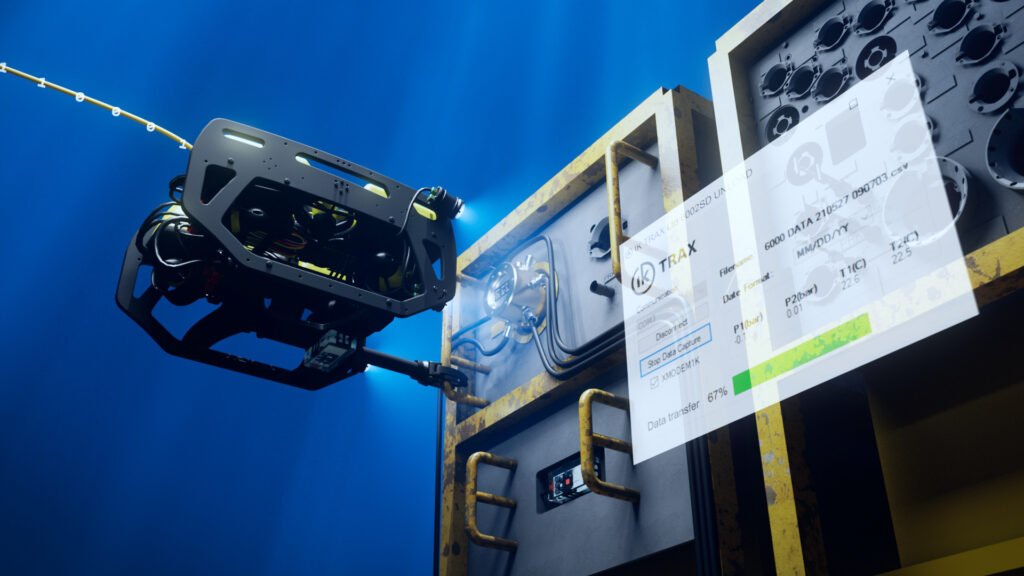
A major step forward came with the introduction of an optical modem. This addition allowed data to be:
- Downloaded subsea
- Transmitted to surface via the ROV umbilical
- Retrieved without physically recovering the unit
This capability directly addresses one of the most common challenges in subsea operations: time-consuming and costly data retrieval.
A Flexible Platform for Future Applications
Although initially developed for a specific use case, Loop’s design has made it adaptable. Today, it can:
- Interface with a range of sensors via standard communication protocols
- Support additional measurement types
- Be adapted for emerging applications such as hydrogen or carbon capture
In practice, this means Loop can be configured to work with a wide variety of sensor types. If a project requires data from a specific sensor, the system can typically be adapted to support it through integration.
A Practical Approach to Innovation
One of the most important aspects of Loop’s development is what it demonstrates about IK Trax’s approach.
Rather than developing technology in isolation, the process was driven by:
- Listening to client requirements
- Adapting existing solutions
- Making improvements that are based on feedback from the field
Conclusion: Innovation Built on Real Needs
Loop began as a response to a specific operational requirement and developed into a flexible data hub through close collaboration with the client. What started as a requirement to remove hoses and simplify connections has evolved into a flexible, intelligent subsea data hub – capable of supporting increasingly complex offshore operations.
As subsea systems continue to advance, this kind of practical, client-driven innovation will remain essential in delivering solutions that are not only technically capable, but operational effective.
Interested in hearing more about this, or other applications?
Contact: sales@iktrax.com