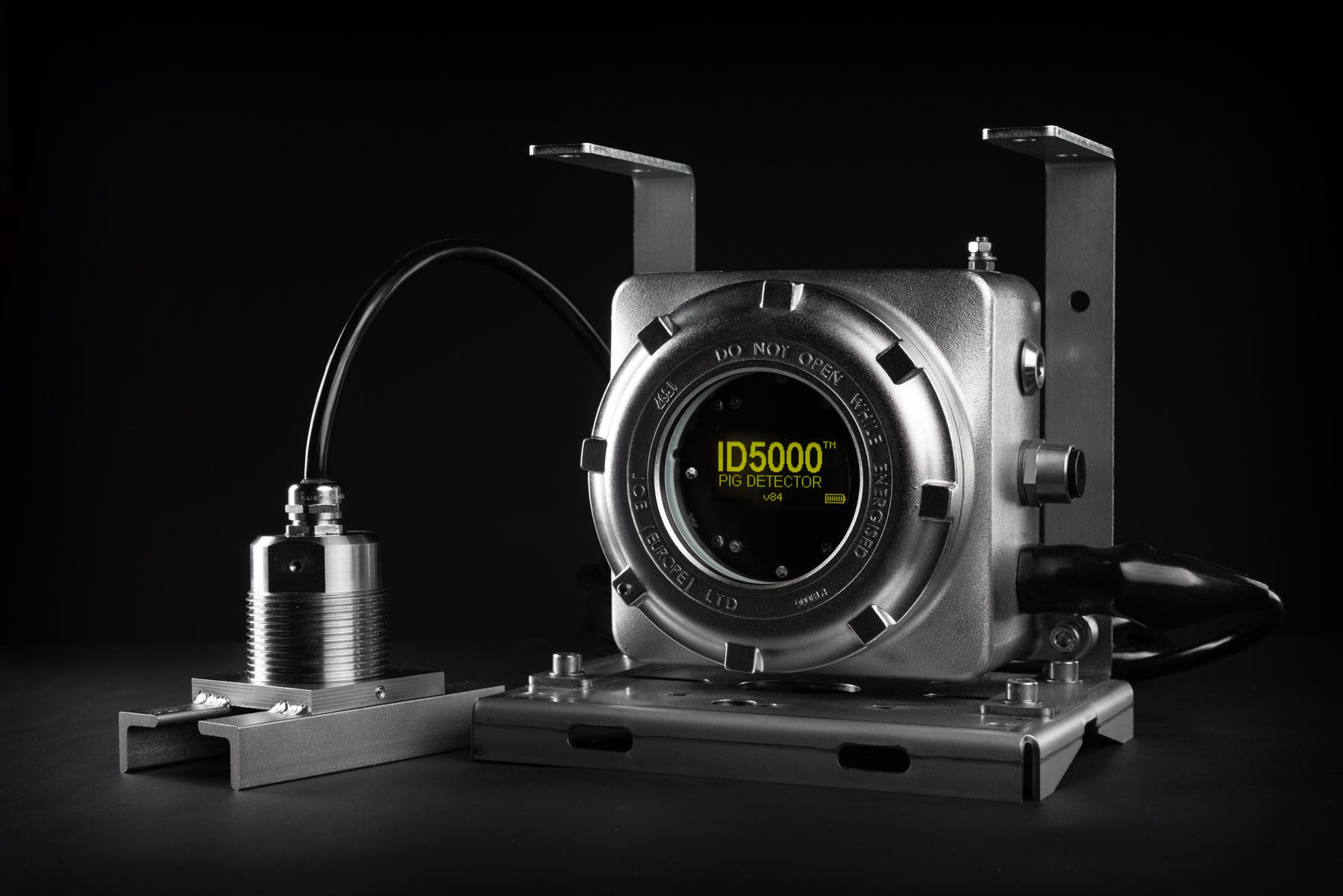
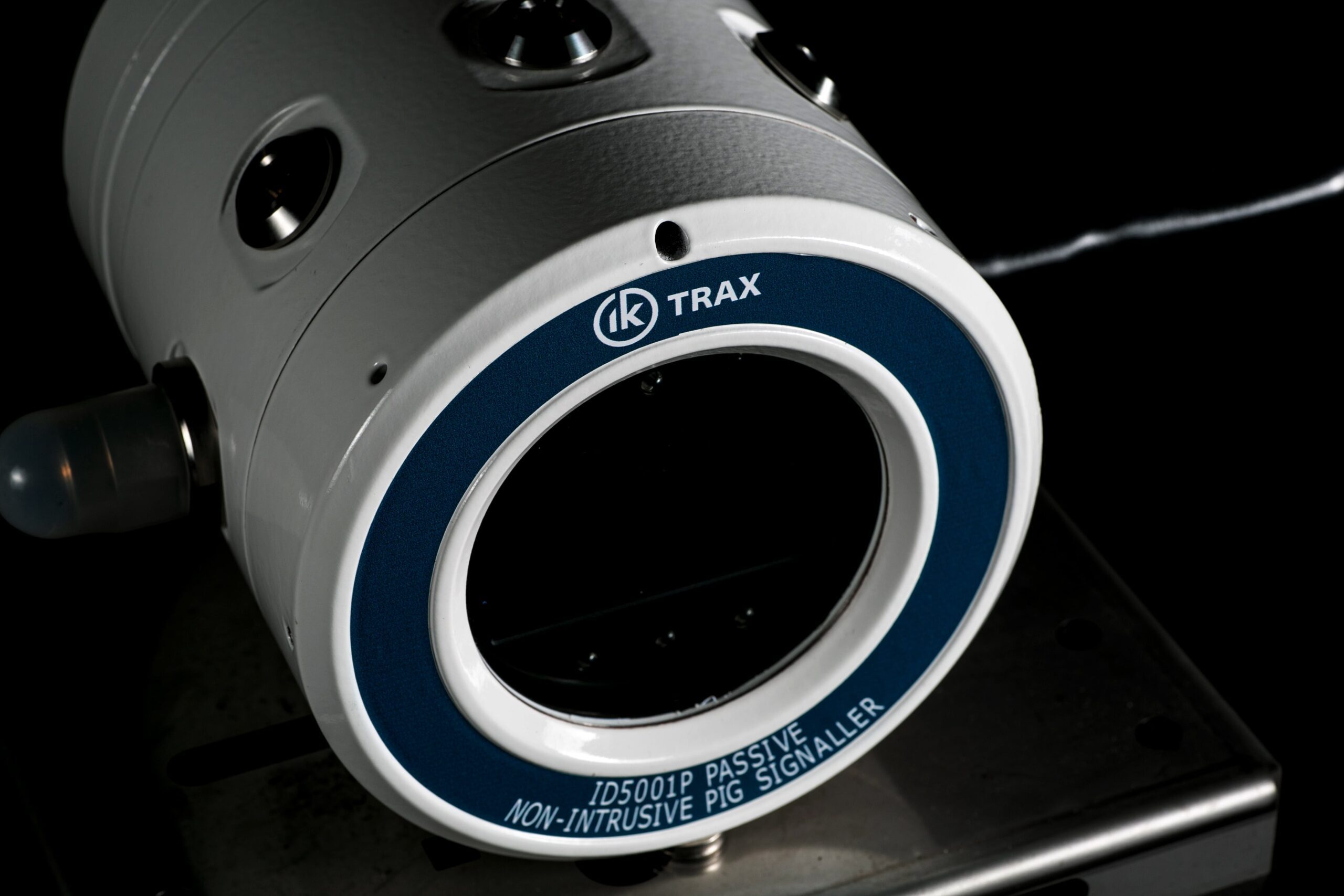
Electromagnetic pig tracking offers a range of practical advantages that help improve the efficiency and reliability of pipeline operations. By detecting a transmitter fitted to the pig, operators can confirm its position at key points along the line or pinpoint the location of a stationary pig when required. This article outlines six key benefits of EM pig tracking a explains how the technology supports smoother, more predictable and more controlled pigging activities.
1. Accurate Locating
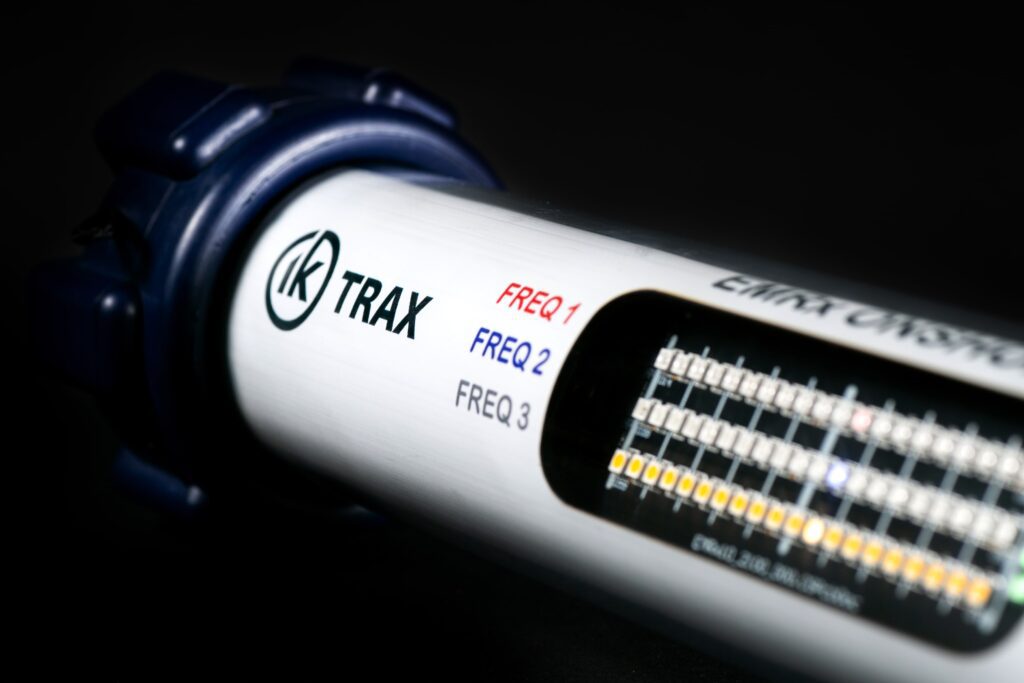
One of the core advantages of electromagnetic pig tracking is its accuracy. EM receivers allow operators to identify the transmitter’s null spot, confirming the pig’s position to within a few centimetres. Modern receivers and apps also provide visual confirmation through live signal strength and spectrum views, helping operators clearly interpret the pig’s location with confidence at any stage of the operation.
2. Operational Efficiency
Knowing the pig’s exact location throughout the run improves overall operational efficiency. Whether confirming successful launch and receipt or verifying progress at planned checkpoints, EM tracking removes uncertainty and enables other activities to continue without delay. This is especially valuable during subsea campaigns, where vessel time is limited and any pause in operations can have significant cost implications.
Modern EM systems also support efficient “leapfrog” tracking, allowing operators to move quickly between detection points while maintaining awareness of the pig’s progress. Apps and receiver visualisation tools provide real-time signal information, helping teams confirm that the system is functioning correctly and that the pig is where it is expected to be. This reduces unnecessary waiting, improves workflow coordination and supports smooth, more predictable pigging operations.
3. Reduced Operational Downtime
If a pig stalls during the operation, being able to locate it quickly is critical. EM tracking allows operators to narrow the search area quickly and focus directly on the confirmed position, rather than checking long sections of pipeline. This helps reduce the duration of unplanned downtime and limits the operational and financial impact of delays – particularly in subsea or remote environments where vessel time and access constraints can significantly increase costs.
Accurate locating also supports efficient planning of recovery activities, helping teams respond in a controlled and timely manner and reducing the uncertainty that can otherwise slow operations.
To read how IK Trax equipment has been used to locate stuck pigs, click here.
4. Enhanced Confidence
EM pig tracking provides operators with clear confirmation that the pig is exactly where it is expected to be. This assurance is valuable throughout the operation – not only when locating a stalled pig, but also when verifying that the pig has passed key points such as valves, tees or receivers. Accurate, real-time detection removes uncertainty and gives operators confidence to progress with the next steps, knowing the pig has safely cleared the required section of pipeline.
5. Cost Savings
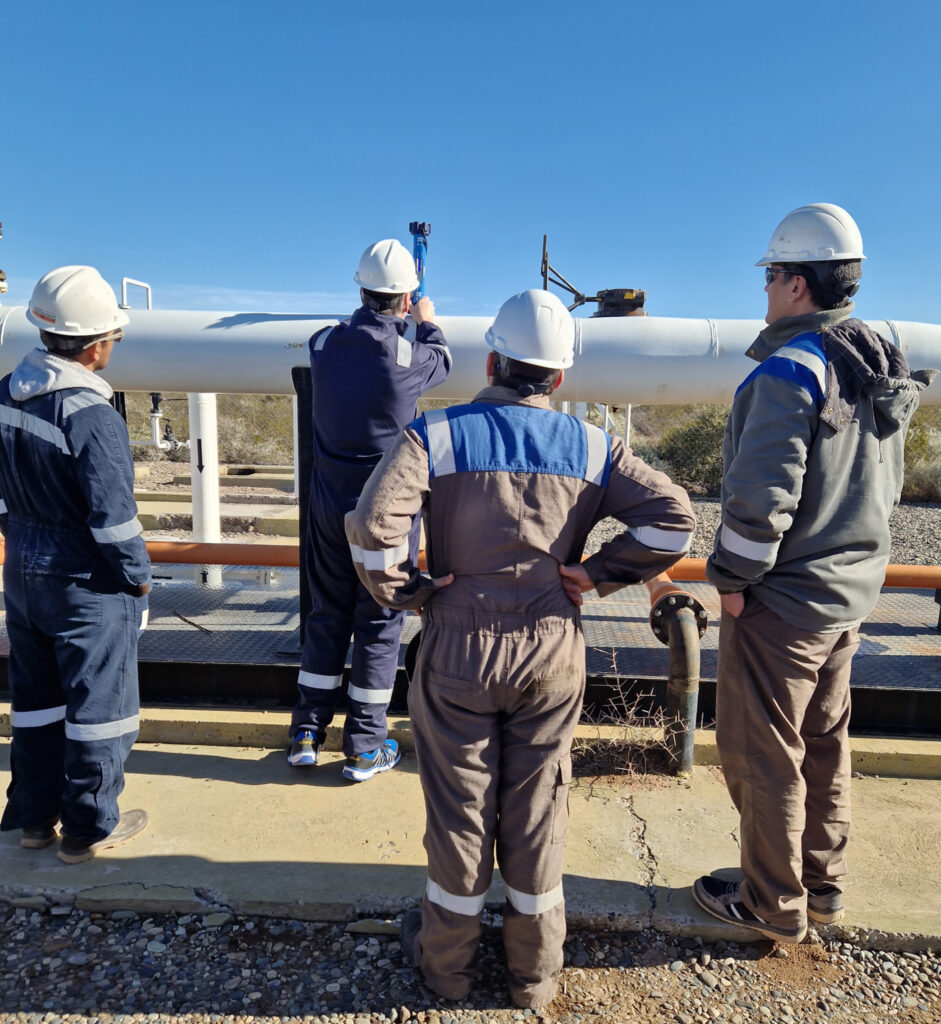
While the initial investment in an EM pig tracking system may be higher than older or less capable alternatives, the long-term operational savings can be significant. Accurate, reliable locating helps minimise downtime, reduce vessel or crew time during offshore operations and avoid delays caused by uncertainty. Modern apps and visualisation tools also streamline setup, verification and troubleshooting also streamline setup, verification and troubleshooting, reducing the likelihood of repeat runs or extended field time.
These factors combine to deliver a more efficient overall workflow and lower lifetime operating costs, making EM pig tracking a cost-effective choice for both routine and complex pigging operations.
6. Adaptability
EM pig tracking systems are highly versatile and perform reliably across a wide range of operating environments. They can be used onshore, topside or subsea, in pipelines carrying either liquid or gas, and in more complex configurations such as trenched lines and pipe-in-pipe systems. Modern multi-frequency receivers and transmitter configuration options also make it easier to tailor the setup to suit different pig types and operational requirements.
This adaptability means the same equipment can be used across multiple projects, reducing the need for specialised tools and providing a consistent tracking method regardless of pipeline conditions.
Conclusion
Electromagnetic (EM) pig tracking provides a reliable and effective way to monitor pig movement and confirm location throughout an operation. Its accuracy, adaptability and ability to support clear decision-making make it a valuable tool for both routine and complex pigging campaigns.
For a wider overview of pig tracking technologies and how EM fits within the broader tracking landscape, see our Pig Tracking: Technologies, Applications and Best Practice (2026 Guide.)