Author Archive

Non-Intrusive Pig Signallers: The Complete Guide (2026)

Posted on: January 16th, 2026 by Casey Reid

The Role of Pig Signallers in Pipeline Operations

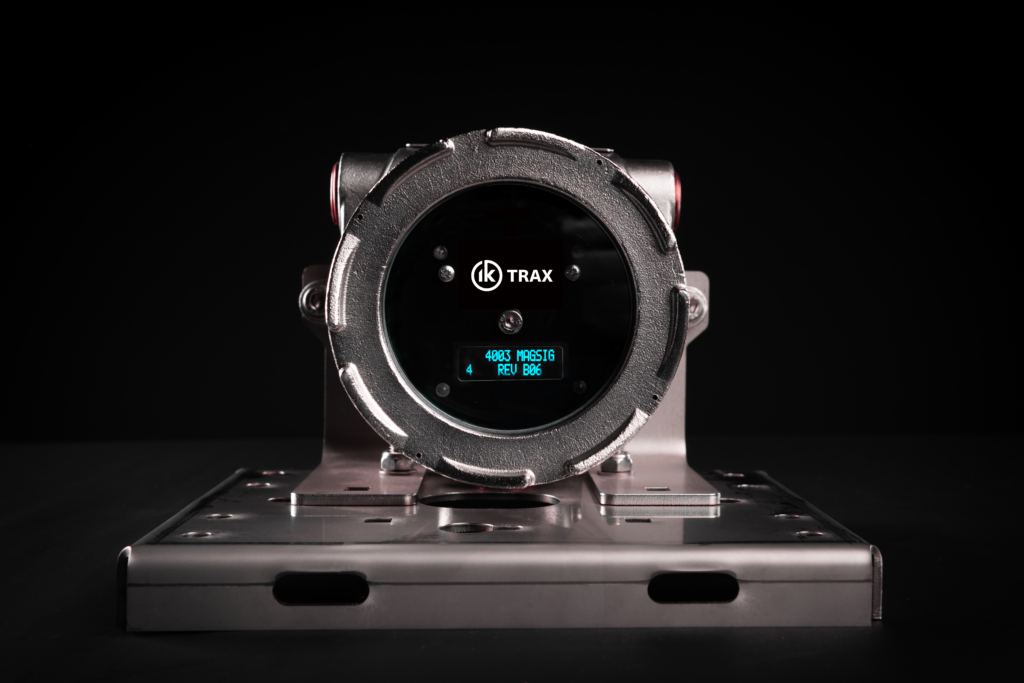
Pig signallers play a vital role in pigging assurance.  They are installed at launchers, receivers and strategic points along a pipeline – such as valve stations or bends – to confirm when a pig has passed a specific location.  This information is essential for maintaining control of the operation.  Without a clear indication of pig passage, operators may be unsure of its position, potentially causing delays while the pig is located.  If a pig does stall, signallers help narrow the search to the section between the last confirmed points, enabling faster and safer intervention.

Reliable pig signalling also helps operators minimise unplanned downtime and  keeps operations on schedule .  As regulatory expectations and safety standards continue to rise, many operators are reconsidering the use of older intrusive equipment in favour of safer, more flexible non-intrusive systems.

For many years, intrusive mechanical signallers were the standard choice.  However, the industry is now moving towards safer, non-intrusive and more data-rich solutions.  This shift is driven by an increase in awareness around health and safety, a desire to reduce environmental risk, and a growing need for clearer, more flexible access to operational data.  Modern non-intrusive systems provide this additional insight while avoiding the risks associated with  intrusive designs. 

Why the Shift Towards Non-Intrusive Signalling is Accelerating

Non-intrusive pig signallers are increasingly becoming the preferred option across the industry and the reasons are clear.  Unlike intrusive pig signallers, which require a physical penetration into the pipeline wall, non-intrusive units are simply strapped to the outside of the pipe using ratchet straps or stainless-steel banding.  This avoids any pressure-related risk and eliminates the need for specialist installation or hot-work procedures.  This process is quicker, safer and requires minimal training.
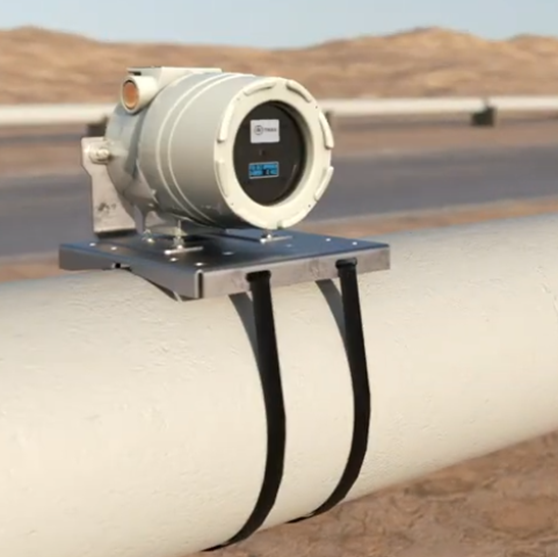
Intrusive signallers use a mechanical trigger and flag: when the pig pushes against the internal trigger, a flag pops up on the surface to indicate passage and/or sends a signal to the control room.  While simple, this mechanism relies on moving parts exposed to wear, corrosion and potentially jamming.  Non-intrusive signallers display the pig passage event on a digital interface.  This removes mechanical failure points and provides a more reliable, modern method of confirming passage.

While some intrusive signallers may appear more economical upfront, they typically come with a much higher total cost of ownership.  Installation time, maintenance requirements, field repair costs and the need for trained technicians all adds up.  Intrusive units also rely on mechanical components, which can wear over time and lead to failure.  The need to penetrate the pipeline creates an inherent risk – any penetration has the potential to develop into a leak path, allowing product to escape and potentially impact the surrounding environment.  Non-intrusive signallers remove these concerns entirely.  With no pipe penetration, the line remains sealed, leak paths are eliminated, and operators benefit from a cleaner, safer and more reliable signalling method. 

Modern non-intrusive systems also offer far more advanced communication and data options.  Pig passage events can be transmitted remotely to SCADA/control systems via RS485 MODBUS, 4-20mA HART or satellite communications, and time-stamped data is automatically stored on the unit.  Operators no longer need to be physically present at the point of passage to collect information, and signaller parameters can be adjusted to suit operational requirements.  Combined, these factors provide greater flexibility, improved visibility of pig movement and enhanced operational assurance – all without the risks associated with intrusive equipment.   

How Non-Intrusive Pig Signallers Work

Non-intrusive pig signallers detect the passage of a pig by monitoring changes  as it moves past the unit, rather than relying on a trigger inside the pipe.  They use sensors mounted on the outside of the pipeline to identify physical effects generated by the pig itself.  This allows the signaller to confirm passage based on what it detects through the pipe wall, rather than requiring any contact with the pig or product.

Several detection methods are commonly used:

Magnetic Detection

When a pig contains magnets, it produces a magnetic field as it travels along the pipeline.  Magnetic non-intrusive signallers monitor changes in this field.  As the pig approaches, passes and moves away from the unit, the sensor records a distinct rise and fall of the magnetic field, which the system interprets as a confirmed passage.
Ultrasonic Detection

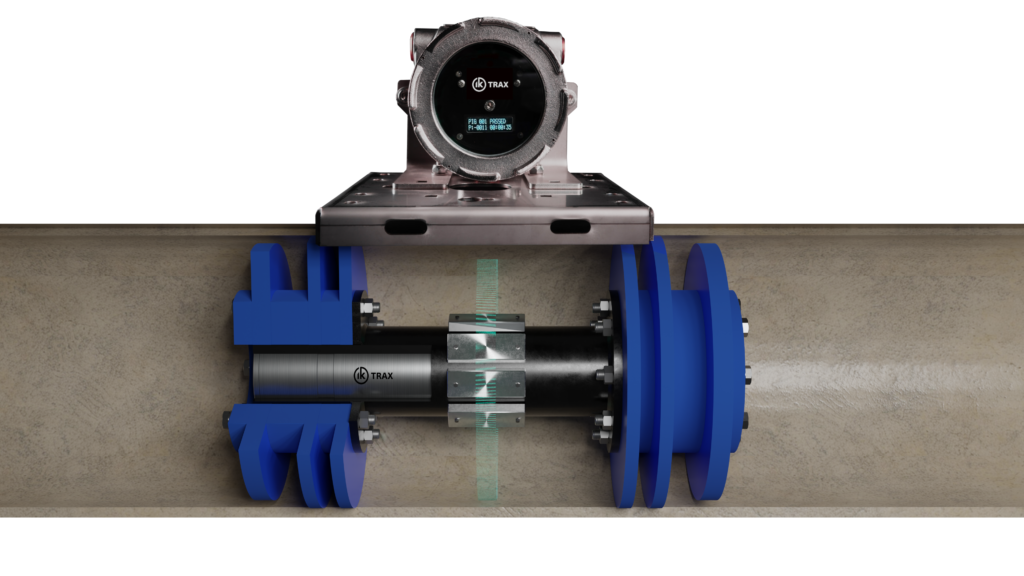
Ultrasonic signallers send ultrasonic pulses into the pipe wall and provided that the line is filled with liquid, the unit can see a reflection of the pulses from the other side of the pig.  When the pig moves past the signaller, it disrupts their return path.  The system recognises this disturbance as a passage event, making the method particularly effective on liquid-filled pipelines. 
Acoustic Detection

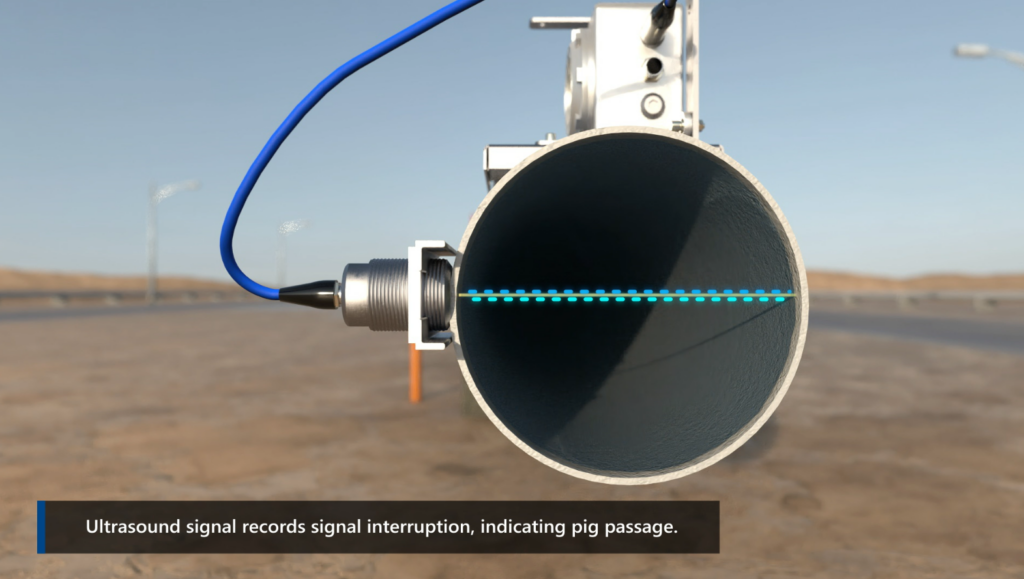
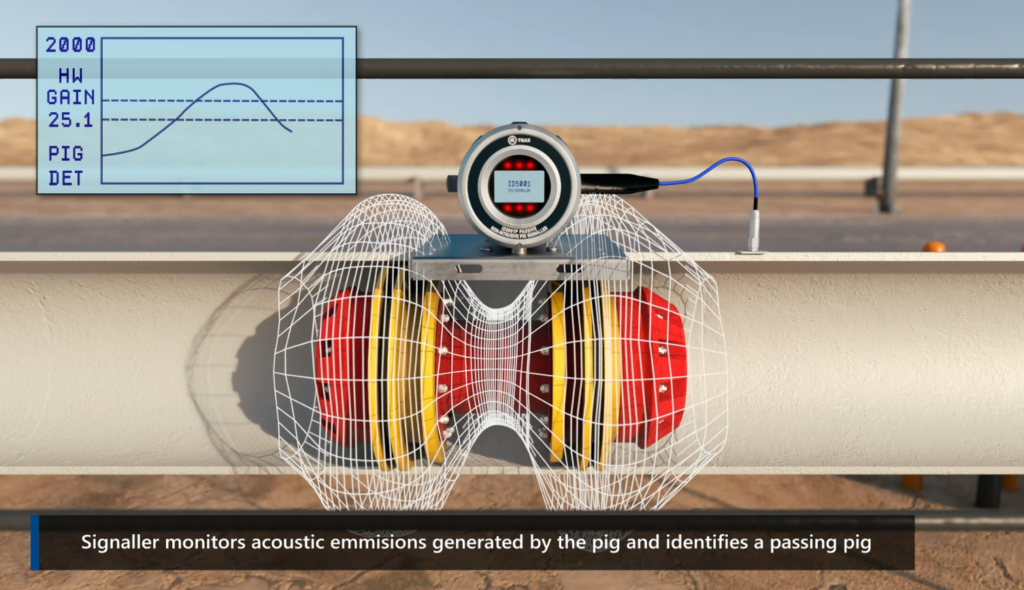
Some non-intrusive systems monitor the acoustic signature produced by the pig itself.  As pigs move through the pipe, they generate characteristic sounds.  The signallers listen for the change in noise as the pig approaches and uses them to determine the moment of passage – a useful option when pigs do not contain magnets or ultrasonic methods are not suitable.

As the pig approaches, the signaller will detect the change in sound.  Once the pig passes, the sound levels will return to the default and a pig passage will be signalled.
If you’d like a more detailed look at how intrusive and non‑intrusive systems differ at a technical level, see our Deep Dive on how non‑intrusive pig signallers work.

When to Use Each Technology (Magnetic, Ultrasonic, Acoustic)

Different non-intrusive pig signaller technologies suit different pipeline conditions and pig types.  Selecting the right one depends on factors such as pipeline medium, pig design and expected noise environment.  Choosing the right technology ensures reliable detection and reduces the risk of false or missed indications.

Magnetic Signallers

Magnetic pig signallers are the most widely used and work effectively when the pig contains magnets.  This method is simple, reliable and suitable for any pipeline medium – gas, liquid or multiphase – if the pig itself is magnetised.

Use magnetic signallers when:

  • The pig contains strong permanent magnets
  • You need a robust, proven detection method that works across all mediums
  • Noise or vibration may make other methods less reliable

Ultrasonic Signallers

Ultrasonic signallers are particularly used in liquid-filled pipelines, where the pig’s presence causes a clear disturbance to the ultrasonic path being monitored.  They are a good option for pigs that cannot accommodate magnets or when magnets are not practical for the operation.  Use ultrasonic signallers when:

  • The pipeline is liquid-filled
  • Pigs do not contain magnets

Acoustic Signallers

Acoustic pig signallers detect pigs by monitoring the sound they generate as they move through the pipeline.  Each pig creates a specific acoustic pattern, and the signaller listens for this change to confirm passage.  This method is useful where pigs cannot be fitted with magnets and where ultrasonic technology is not suitable.

However, acoustic signallers come with important limitations.  Their performance is highly dependent on the noise environment around the line and the specific pig design.  Due to different types of pigs producing different levels of noise, the system often needs to be calibrated for the individual pig to ensure reliable detection.  This means acoustic signallers do not operate seamlessly across a broad range of pig types.  In noisy or high-vibration environments, detection can be more challenging – reflecting the practical issues seen in real operating conditions.

Some of these risks can be mitigated by placing acoustic signallers in optimal locations.  For example, avoiding installation too close to valves, pumps or other high-noise sources can significantly improve detection accuracy.  Providers can also give guidance during planning to help identify sections of pipeline where the pig’s acoustic signature is more likely to be heard clearly. 

Because of these limitations, acoustic signallers are typically recommended only when:

  • The pig cannot contain magnets, and
  • The pipeline is not liquid filled (where ultrasonic methods generally perform better)

They remain a valuable option for the right scenario, but they are not universally suitable.

A note on project specifications

In some cases, a particular signaller type may be listed in the project specification.  However, specifications are not always aligned with the practical needs of the operation.  With the right discussion and technical context, it often becomes clear that the specified technology is not the most suitable option for the pipeline medium, pig type or noise environment.  Providing this guidance early helps ensure a more reliable installation and better outcomes for the operator.

For a closer look at how different pig types, mediums and operating conditions influence technology choice, see Pig Signaller Buyer Guide – Choosing the Right Technology for Your Pipeline

Benefits of Modern Non-Intrusive Systems

Beyond installation and safety advantages, non-intrusive signallers offer significant benefits when it comes to data quality, reliability and operational assurance.  Intrusive signallers rely on a mechanical flag inside the pipeline which must be manually reset after each pig passage.  If this reset step is missed – or if the internal trigger fails – there is no clear way to know.  This can create uncertainty around whether a pig has genuinely passed or whether the equipment simply wasn’t reset correctly.  Mechanical components also wear over time, increasing the risk of failure. 

Non-intrusive signallers avoid these issues entirely.  Their operation is fully electronic, making testing and diagnostics much easier.  The units automatically reset after a pre-set period, so operators do not need to worry about manual intervention or the confusion caused by missed resets.  Because events are recorded electronically with time and date information, operators have a clear traceable audit trail of each passage, improving confidence during multi-pig operations or extended campaigns.  Several IK Trax signallers for example, log up to 99 events with time-stamped data, which can be viewed locally or transmitted remotely.

Another major benefit is communication flexibility.  Intrusive signallers typically provide volt free dry contact outputs, limiting how pig passage data can be integrated into wider systems.  By contrast, non-intrusive signallers support a range of modern communication options including 4-20mA, MODBUS and Bluetooth, as well as long-range wireless options such as LoRaWAN or satellite communication for remote or unmanned sites.  These capabilities make them particularly suitable for remote block valve stations, cross-country pipelines, temporary pigging operations and unmanned facilities, where physical access is limited and reliable remote indication is essential.

Because non-intrusive signallers have no moving parts, they also offer better long-term reliability, with almost no wear-related failures compared to intrusive devices. Finally non-intrusive signallers integrate more naturally into today’s digital pipeline environments.  As more operators transition to remote monitoring and centralised control rooms, the ability to feed accurate, real-time data into SCADA and other control systems becomes increasingly important.  Non-intrusive signallers support this shift by providing consistent, digital and easily transferable data, something intrusive technologies were never designed to do.  

Final Considerations for Choosing the Right Signaller

While each non-intrusive signaller technology has its place, magnetic signallers are often the most effective and reliable option when the pig can accommodate magnets.  The cost of adding magnets is comparatively low, and doing so opens the door to a solution that performs consistently across all pipeline mediums and in a wider range of operating environments.  For this reason, magnetising the pig is generally recommended wherever it is practical to do so. 

Ultrasonic and acoustic signallers remain important alternatives for scenarios where magnets cannot be used or where the pipeline medium dictates a different detection method.  Each technology comes with its own strengths and limitations, so understanding the pipeline conditions, pig type and noise environment is key to selecting the most suitable option.

In some projects, a specific signaller type may be listed in the technical documentation.  While this can provide useful initial guidance, it is always worth considering whether conditions on the pipeline allow for a more reliable or more versatile option.  Taking a moment to review the pig type, the medium and the overall operating environment can help ensure the signaller chosen will provide the best performance and the highest level of assurance during the pigging operation.
Case Study: Pig Tracking Offshore with IK Trax

Posted on: December 9th, 2025 by Casey Reid
Offshore pig tracking using IK Trax EM equipment

Introduction
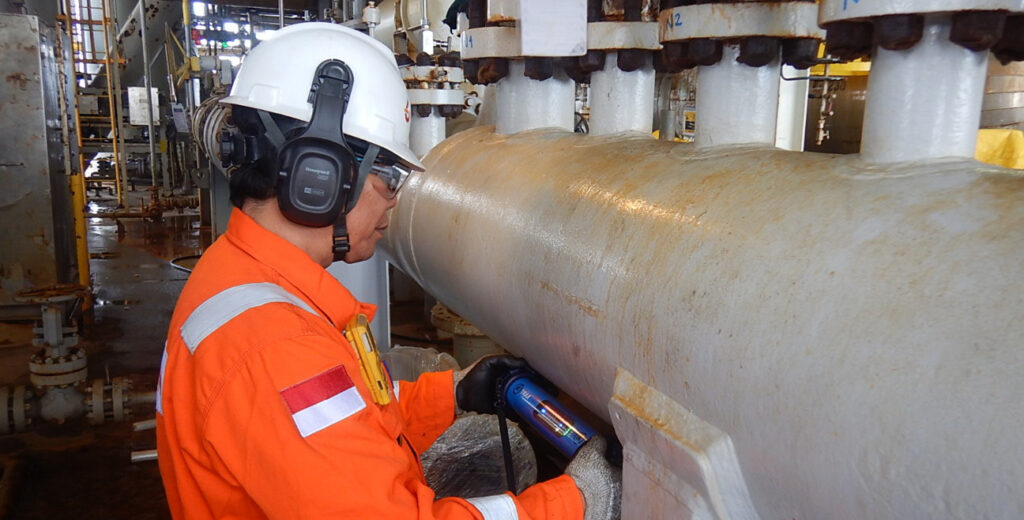
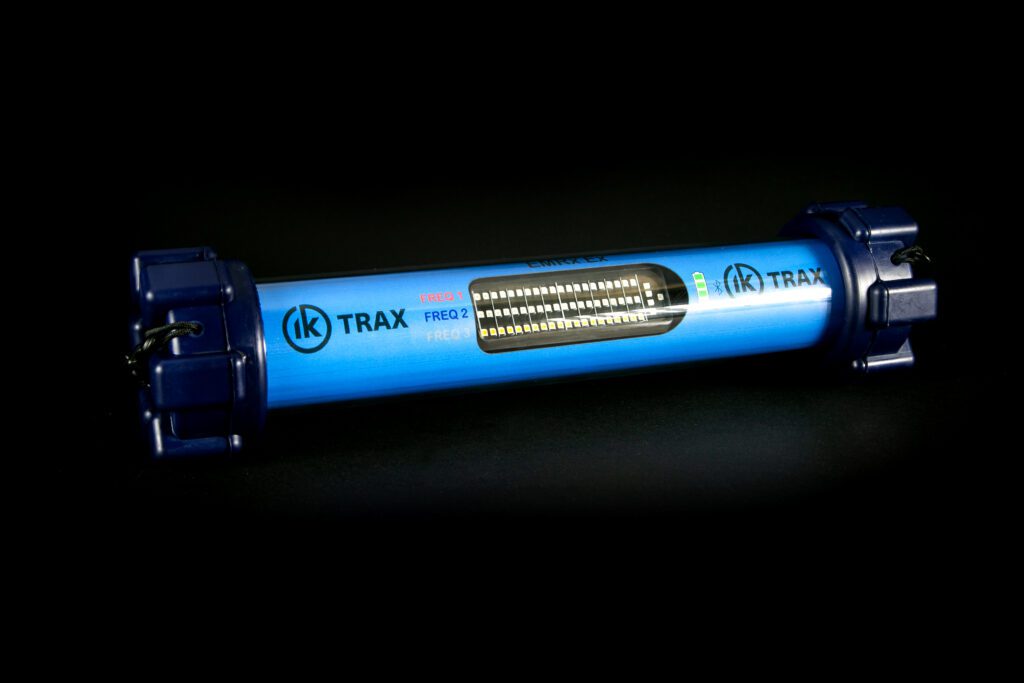
Titian Service supported an offshore pigging campaign where the IK Trax EMRx receiver and EMTx20 transmitter were used for pig tracking after a pig became lodged in the pipeline. With the in situ signal system not functioning and offshore conditions creating interference, IK Trax equipment provided clear, consistent detection that enabled the team to confirm the pig’s position and safely retrieve it.

Challenges
The pig was launched through a 14 inch gas pipeline around 3.2 km in length. After launch, pressure and noise readings suggested it had reached the receiver. However, when the barrel was opened, the pig was not there.
With the original signal system out of action and offshore vibrations creating background noise, pig tracking became more difficult. The pipe wall thickness was 23.83 and this was taken into account.

Solutions
Titian used IK Trax EMRx receivers at both the launcher and receiver for pig tracking. When the pig failed to arrive, scanning was carried out along the riser and receiver area using the EMRx, alongside an EMTx20 transmitter installed in the pig.
Although false signals were encountered due to background noise, one location showed a consistent, localised transmission. The pig was confirmed to be stuck near a valve, where a mechanical obstruction had occurred. Once corrected, the pig was released and safely recovered.

Conclusion
This project demonstrated the reliability of IK Trax pig tracking solutions by using the EMRx receiver and EMTx20 transmitter in offshore pigging operations. When other systems were unavailable, IK Trax provided the clear, consistent tracking needed to safely complete the campaign.

Result
The EMRx and EMTx20 worked together to deliver a steady, reliable signal that helped the team confidently locate the pig. Detection through the pipe wall in an offshore setting with environmental interference was still possible after six days. The operation was completed without the need for contingency measures, and the IK Trax system supported safe decision making throughout.

Interested in hearing more about this, or other applications?
Contact: sales@iktrax.com

Welcoming Our New Technical Sales Engineers: Amaia Muñoz Iluore and Ian McGilvray

Posted on: May 20th, 2025 by Casey Reid

We’re pleased to welcome two new faces to IK Trax – Amaia Muñoz Iluore and Ian McGilvray, who have both joined us as Technical Sales Engineers this month.

Amaia brings over 12 years’ experience in Sales within the Oil & Gas sector, having worked with some of the industry’s biggest names to support pipeline performance across a range of areas.

Ian joins us with more than 25 years of experience in global oil and gas operations. He’s built a career on delivering high service quality and brings strong technical know-how to customer support.

Outside of work, Amaia enjoys reading, exploring art and history, trying out new technologies, travelling, and spending time with family and friends. Ian is a keen beekeeper, enjoys restoring and driving vintage vehicles, and is also a Trustee at the Grampian Transport Museum.

We’re excited to have them both on board as we continue to grow our team and capabilities.

Case Study: Development of the 4004s Magnetic Pig Signaller for Permanent Subsea Installation

Posted on: March 21st, 2025 by Casey Reid

Introduction

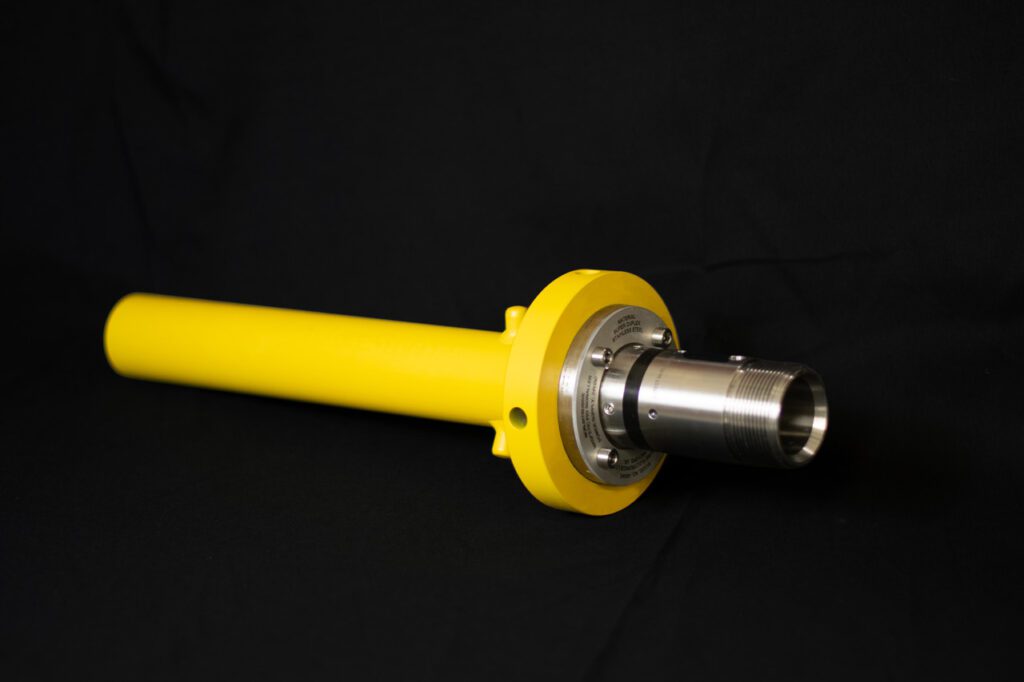
The 4004S Magnetic Pig Signaller is a compact, self-contained, non-intrusive device designed for detecting the passage of magnetic pigs in harsh subsea environments. Unlike traditional subsea signallers, the 4004S is designed for permanent installation on subsea pipelines and can be externally powered through a subsea cable connected to a topside control system. This case study details the development of the 4004S Magnetic Pig Signaller and some of the challenges faced by the IK Trax team.

Project Objectives

The development of the 4004S Magnetic Pig Signaller was guided by three primary objectives. Firstly, the signaller needed to be externally powered via a subsea cable linked to a control system or station topside. Secondly, the device had to be designed for easy installation and removal by divers. Finally, the signaller and clamp assembly, required a minimum operational life of 20 years under subsea conditions. These objectives set the 4004S apart from other subsea pig signallers in the market, particularly those within IK Trax’s existing product range, because the unit could be installed permanently subsea and permanently powered if required.

Design and Development Process

The development process for the 4004S began when the IK Trax sales team identified a potential project that required a new pig signaller meeting the specific criteria mentioned earlier. The in-house R&D department quickly assembled a team of engineers who collaborated to create a concept design which went through multiple iterations and reviews to ensure it met all the necessary requirements. After refining the design, it was presented to the client, who expressed confidence in the unit. Following the client’s approval, a detailed quote was provided. And further refinements were made before the manufacturing phase commenced to ensure all specifications were met.

Meeting Technical Requirements

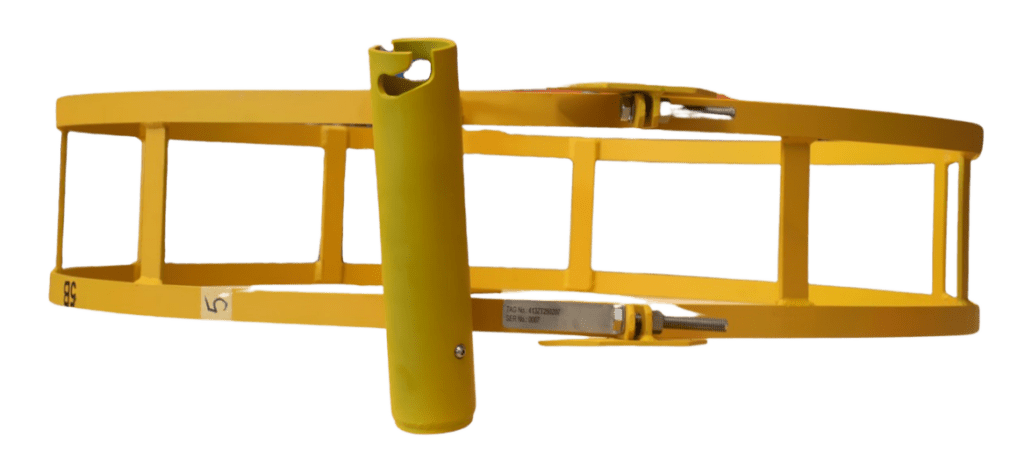
To meet the technical requirements, the 4004S signaller incorporated several key design features. Powering the unit externally was achieved using a Siemens wet-mate connector, which was permanently fixed to the signaller and designed to withstand external pressures of up to 300Bar. The requirement for diver deployability was addressed by designing a bespoke subsea clamp system that included a funnel mechanism. This system allowed divers to easily install and remove the signaller from the pipeline as needed. To ensure the device’s long-term durability, all metal components were made from super duplex stainless steel, a material known for its resistance to corrosion in subsea environments, ensuring that the signaller and clamp assembly could operate reliably for 25 years.

Client feedback was critical for refining the final design. Specifically, feedback regarding the pipe O/D tolerance allowed the engineering team to fine-tune the clamping mechanism, ensuring it could accommodate the large O/D tolerance of subsea pipelines.

Design Challenges and Solutions

The project’s most demanding design challenge involved creating a locking mechanism that could be easily operated by a diver while ensuring that the 4004S remained securely attached to the pipeline, even under strong currents and potential contact with trawlers. The engineering team tackled this by designing a compression-based locking slot. The mechanism was rigorously tested with various compression forces, leading to an optimised design that balanced ease of use with the necessary security.

Installation Process

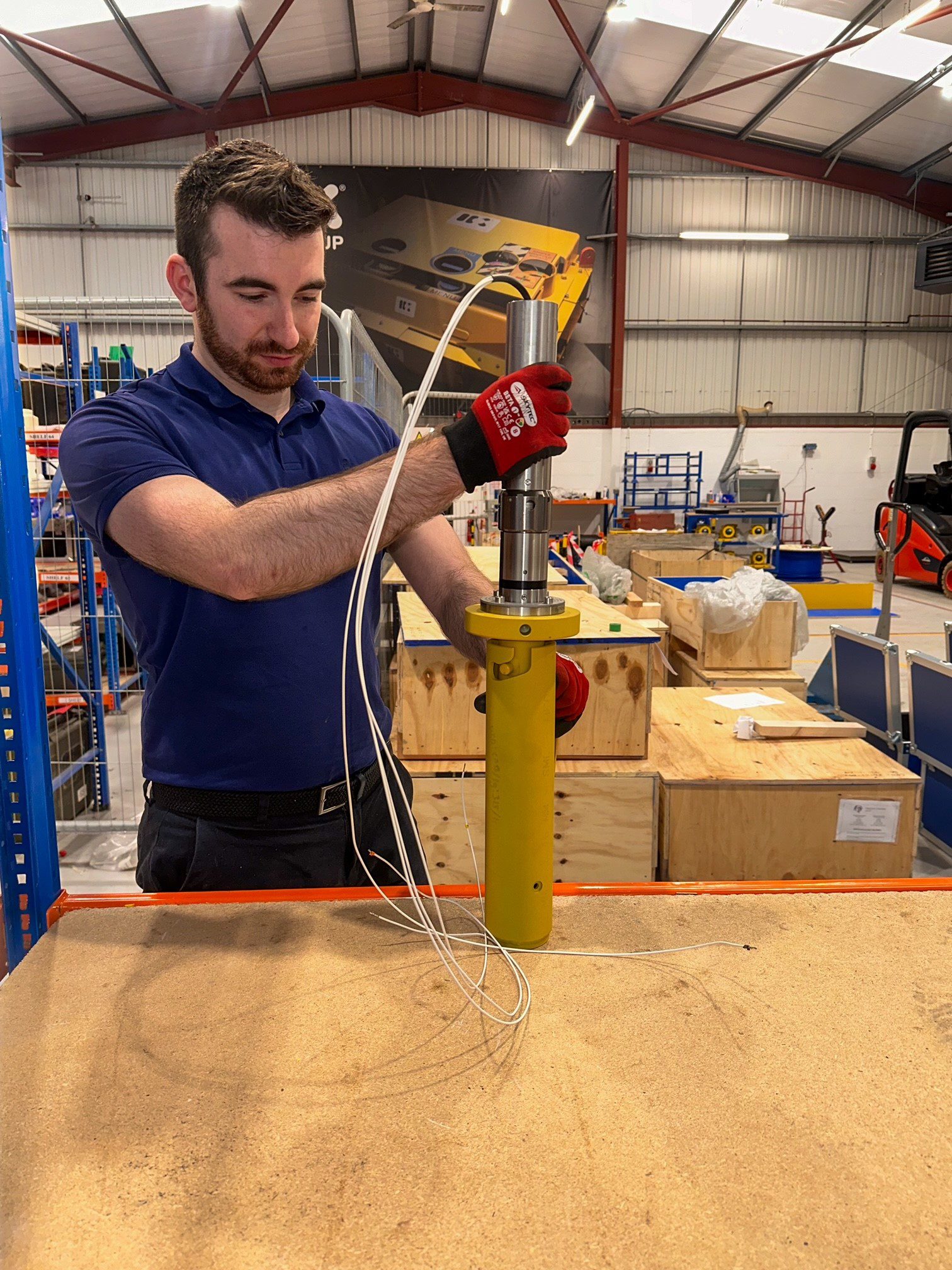
The installation of the 4004S is straightforward and diver-friendly, primarily due to its well-designed clamp assembly. The clamp assembly, which is provided with the unit, can be pre-installed onto the pipeline topside, simplifying the subsea deployment process. The assembly includes a built-in funnel designed to accommodate and secure the 4004S signaller once it is deployed subsea. A diver can easily install the pig signaller underwater by using assembly tools to insert it into a locking slot on the funnel. Once the signaller is engaged in the locked position, it becomes securely fixed to the clamp assembly on the pipe. If necessary, the signaller can also be removed by a diver, making the installation both secure and reversible.

Testing and Validation

To ensure the 4004S would perform reliably in its intended environment, it underwent extensive testing. The prototype was subjected to a 22-hour pressure test at more than 1.25 times the operating pressure, which confirmed the signaller’s resilience, with no damage or defects observed. Additionally, the custom-designed electronic PCB was thoroughly tested to ensure it provided the correct voltages and currents for accurate signalling. Before shipping, each unit underwent Factory Acceptance Testing (FAT), which involved powering the unit from a 24V DC supply, monitoring the current loop in both ‘listening’ and ‘detect’ modes, and verifying that the signaller operated correctly.

Conclusion

The 4004S Magnetic Pig Signaller represents a significant advancement in subsea pig detection technology. By closely collaborating with the client and overcoming technical challenges, IK Trax successfully developed a durable, diver-deployable, and externally powered signaller suitable for permanent subsea installation. This project highlights the company’s commitment to innovation and client satisfaction, resulting in a product that meets the highest standards of subsea operation.

Launch of New Technology Footprint Page

Posted on: October 4th, 2024 by Casey Reid

We’re excited to announce the launch of our new Technology Footprint page! This interactive map highlights where our technologies are making an impact across the globe.

Check back regularly for updates as we continue to expand and innovate worldwide!

Revolutionising Pig Tracking and Signalling with Cutting-Edge Apps

Posted on: September 27th, 2024 by Casey Reid

Pig tracking and pig signallers have long been integral to pipeline operations, with each process relying on specialised equipment and methods.  As technology has advanced, modern Apps have emerged that significantly enhance these tasks.  By integrating the latest Apps into your pig tracking and signalling operations, you can streamline processes, improve data accuracy and achieve great operational flexibility.

Streamlined Operations with Real-Time Data

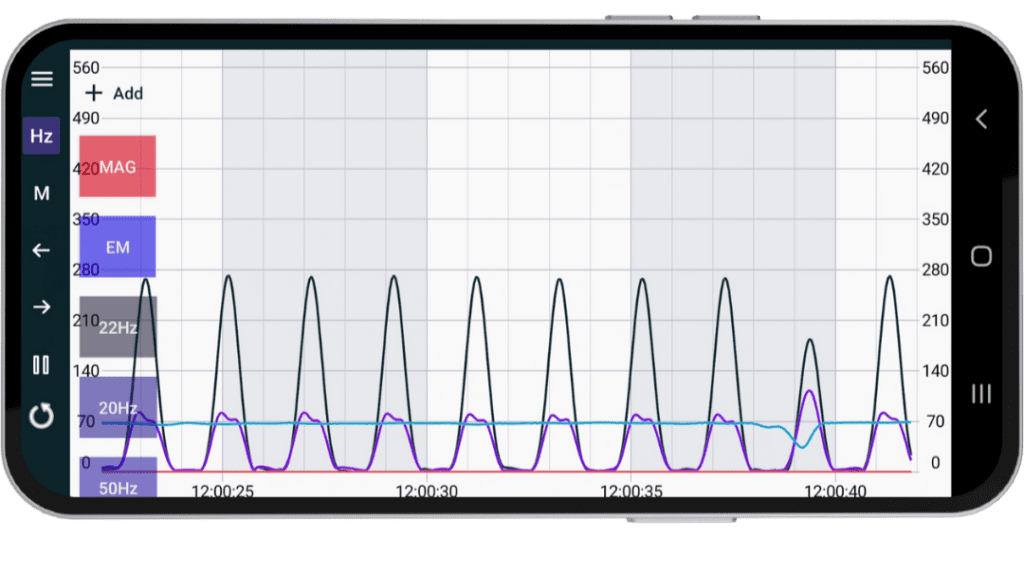
Modern Apps for both pig tracking and signalling offer real-time monitoring capabilities that simplify operations.  Pig Tracking Receiver Apps provide a graphical representation of signals, helping to identify individual and multiple pigs with greater accuracy.  Similarly, our latest Pig Signaller App allows you to view real-time pig passages directly on your phone or tablet via Bluetooth, eliminating the need to be situated in view of the signaller.  The Apps also allow you to detect your pigs from the comfort of your vehicle which can be advantageous if working in a remote area whilst experiencing inclement weather.

Enhanced Flexibility and Convenience

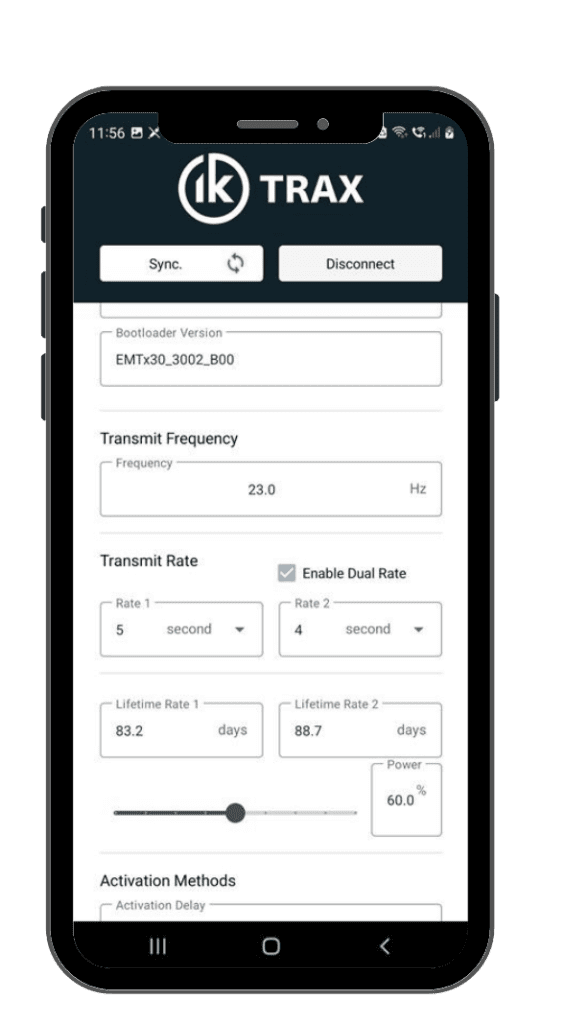
Traditionally, changing settings on pig tracking equipment involved sending units back to the manufacturer, causing delays and additional costs.  IK Trax’s EMTx Config App allows operators to adjust transmitter settings such as pulse length, frequency and power output directly on-site.  This increased flexibility is mirrored in our receiver and pig signaller apps, which enables users to adjust settings in real time from their device, making the process more convenient and reducing the need for direct equipment handling.

Comprehensive Data Review and Analysis

Both pig tracking and pig signalling apps offer advanced data review features.  Receiver apps let users pause, zoom and scroll through past tracking data, facilitating detailed analysis without the need for constant monitoring.  Similarly, our pig signaller app provides a live graphical representation of gauss readings from the 4003 Pig Signaller and allows users to download up to 100 stored events.  These features enable thorough review and analysis.

Exportable Records and Client Support

One significant advantage of these apps is the ability to generate detailed records of operations.  Pig tracking apps enable users to mark areas of interest and create comprehensive logs of received signals, which can be exported for client reporting and supporting data.  Our pig signaller apps also supports exporting records, providing clients with valuable data and ensuring a thorough documentation of pig passages.

Discover the Benefits

Explore how these advanced apps can transform your pig tracking and signalling processes.  Our Apps are available to download from our website – for more information on integrating these technologies into your operations, contact us today.

Employee Spotlight – Andrew Donnelly

Posted on: August 8th, 2024 by Casey Reid

This month, we caught up with Andrew Donnelly our Mechanical Engineer.

Tell us about yourself.

My name is Andrew Donnelly, and I work as a mechanical design engineer at IK Trax. I earned my master’s in mechanical engineering at RGU. Throughout university, I had various work placements, and after graduation, I was lucky enough to be accepted as a graduate mechanical engineer at a start-up oil and gas company and that is where I learned my trade. I now have 6 years of experience in mechanical engineering.

Outside of work, I enjoy spending time with my family, whether it’s dog walks on the weekends or dinner dates with my fiancé. I am getting married next April, so wedding planning is currently taking up a lot of our time.

Can you tell us about the mechanical capabilities we have at IK Trax and how they are integrated with our electronics engineering capabilities?

At IK Trax, our CAD software allows me to create 3D working assemblies of all our products and prototypes. We also use finite element analysis software and an in-house design calculation package to ensure our prototypes pass the necessary pressure tests before moving to production.

Our electronic engineers can create a 3D model of a PCB, which I can import into my CAD software. I then design an enclosure to house and secure the PCB and other internal components. These components are often subjected to harsh vibratory conditions, so we work together to create an optimal and mechanically robust PCB mounting method.

What projects have you been involved in at IK Trax, and what have been some key highlights and challenges?

I have been involved in various projects at IK Trax, including new prototype Electromagnetic transmitters, our new bespoke Pig Signallers, and BWGP and ROV cradles.

One of my favourite projects was the EMTx50, the largest EM transmitter we’ve ever designed. You can read about the design process in the EMTx50 case study.

The EMTx40 EM transmitter is a product I have worked on from conception. This was my first major project at IK TRAX, in which I was the lead mechanical design engineer.  This was also my first project that involved designing enclosures for ATEX certification and while it was challenging learning all the requirements, our prototype type successfully passed all ATEX requirements and testing on our first attempt.

What do you find most rewarding about your role, particularly in the context of developing innovative products like we do at IK Trax?

For me, the most rewarding part of the job is talking to other engineers and seeing a concept design become a working production unit. At IK Trax, I can observe and participate in the production of units I’ve designed. It’s exciting to see something that started as a sketch in a notepad get packed into a crate for a job halfway across the world.

Finally, what are your career goals in the area of mechanical engineering?

My career goal is to apply for and achieve chartered engineer CEng status. This will be an important milestone in my engineering career.

Case Study – Advancing Pig Tracking: The Development of the EMTx50 Transmitter

Posted on: June 3rd, 2024 by Casey Reid

Introduction

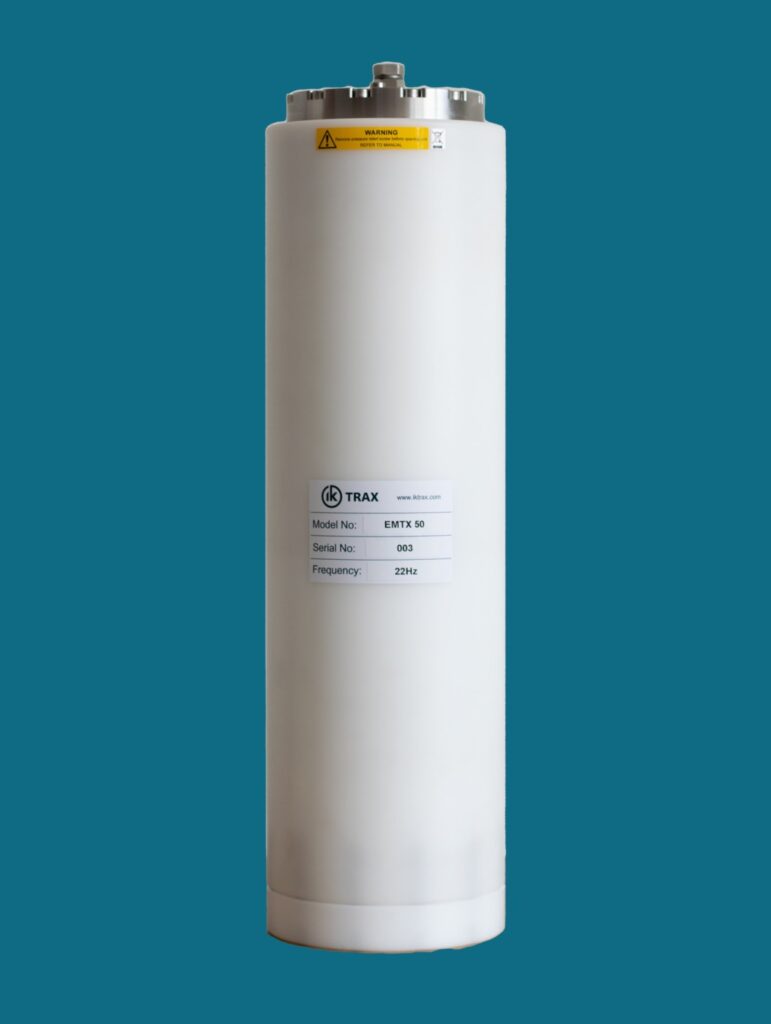
The EMTx50 electromagnetic transmitter is a ground-breaking innovation that represents a significant leap forward in pig tracking technology. With unmatched power and a robust design, it is suitable for larger-diameter pipelines where signal strength and reliability are key to precise and quick detection.

This case study will explore the development of the EMTx50, showcasing the collaborative effort of the IK Trax design, production and sales teams and the innovative technology which made this standout product possible.

Background and Objectives

Developing electromagnetic transmitters for larger pipelines is not new to IK Trax – for years, we have led the market with our 3007 EM transmitter. However, digitalisation has led to demands for further flexibility and customisation and an enhanced user experience.  To meet these demands, upgrades were required for the transmitter to be compatible with our EMTx Config Android and Windows Apps.

EMTx Config Bluetooth App Menu

These Apps enable customers to modify transmitter parameters and gain insights into expected battery life, offering them customisation options and an improved user interface that they now expect. Thanks to the composite housing, this can be done in the field without removing the endcaps, removing that extra layer of complexity.  Different endcap options are now available to achieve delayed switch-on, allowing the pigs to be loaded before launch without depleting the transmitter battery.

To address the challenges of extra-large diameter transport pipelines spanning long distances across countries and continents, the transmitter performance and power had to be enhanced while ensuring compliance with pressure and temperature requirements and remaining commercially viable.

Design Challenges and Solutions

Designing a housing for such a large EM transmitter presented mechanical challenges. It needed to withstand high operating pressures while adhering to size, cost and manufacturing constraints.  Considering that this is the largest EM transmitter we have developed, the unit will experience the highest loads and forces during the operation that we have seen and would have to be designed accordingly.  Size restrictions were also a critical consideration; a larger housing would limit the number of pigs that could house the transmitter, reducing its commercial potential.  To address this, we conducted an in-depth investigation to determine the optimal size that would maximise marketability without compromising functionality.

To meet the demands of extra-large diameter transport pipelines, we significantly improved the transmitter’s power output, increasing from 1000mV in the 3007 model to 2300mV in the new EMTx50, and, ensuring reliable performance over long distances. Considering the extensive length of these pipelines, battery life was a major focus.  The electronics were designed to be low-power, the coil was optimised for efficiency, and the battery pack was maximised for energy capacity.  These improvements extended the operational life of the transmitter, reducing the need for frequent maintenance and replacements.

Rigorous Testing and Validation

During the testing phase, we conducted comprehensive assessments to ensure the reliability and durability of the transmitter.  We utilised Finite Element Analysis (FEA) and meticulous design calculations to ensure the enclosure could withstand external pressure tests.  Once manufactured, the units underwent a successful 24-hour pressure test at 1.25 times the operating pressure.  During this test, we closely monitored creep behaviour in the composite enclosure, which proved to be negligible. An internal pressure test also confirmed that the EM Transmitter had a 130 bar internal pressure rating.  The EMTx50 was also subjected to comprehensive testing for high and low-temperature extremes, as well as shock and vibration testing.  This ensured the transmitter could withstand the harsh conditions it would encounter in the field.

Extensive battery testing was performed at various power levels and pulse rates. This testing provided valuable data on battery performance and longevity, ensuring reliable operation over extended periods.  We also conducted thorough yard testing using our test pipes, which have wall thicknesses over 35mm.  This allowed us to determine the different detection envelopes achievable with the EMTx50 compared to our existing transmitters, confirming its superior performance.

Ensuring Performance: Collaborative Design and Efficient Manufacturing

We had to employ several strategies to ensure that the EMTx50 not only met but also exceeded the required specifications, and collaboration was key to achieving this.

Our design team worked closely with the IK Trax sales team, which was crucial in determining the optimal size of the EM transmitter. This ensured the transmitter could meet a wide range of job requirements and maximise its commercial potential.  Maintaining strong relationships with various suppliers and machine shops allowed the engineers to optimise the design for both cost and manufacturability.  These partnerships ensured that the components could be produced efficiently and economically.

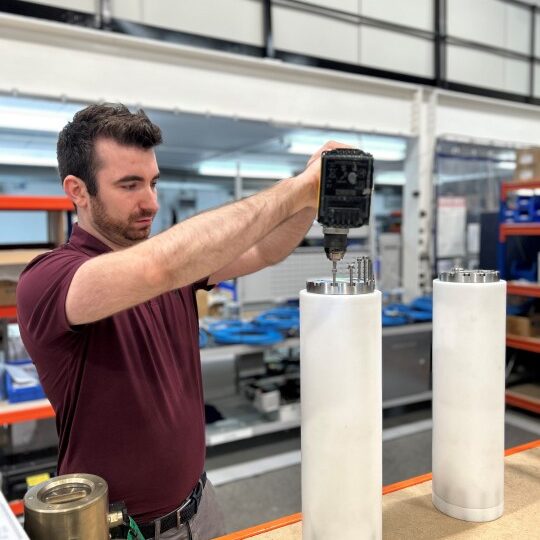
For the mechanical build of the EMTx50, the design team collaborated with our technicians, who have years of experience building for the oil and gas industry.  Their extensive expertise was invaluable towards developing detailed build instructions and the necessary assembly tooling.  This significantly reduced build times, ensuring efficiency and precision in the assembly process.

Conclusion

The EMTx50 demonstrates that with greater size comes increased power.  Through collaborative efforts, meticulous design and efficient manufacturing processes, we have achieved a product that meets the demands of modern pipeline tracking and sets new benchmarks for reliability, performance and user experience in the field.

IK Trax Unveils Their Most Powerful Pig Tracking Transmitter Yet

Posted on: May 29th, 2024 by Casey Reid

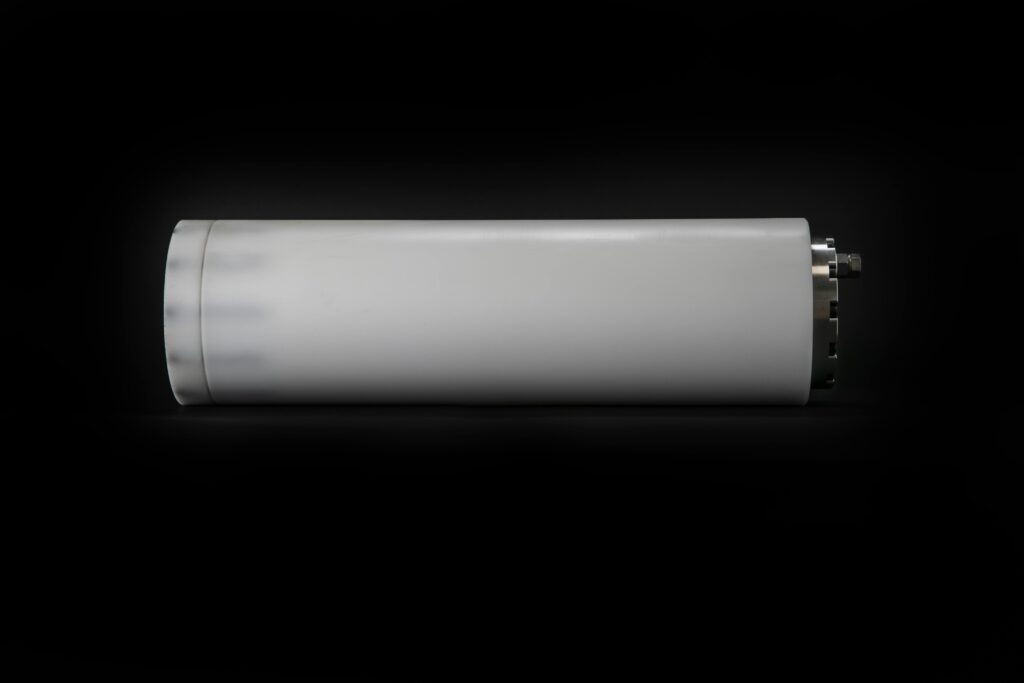
The EMTx50 is suitable for larger-diameter pipelines where signal strength and reliability are key to precise and quick detection. This groundbreaking development represents a significant leap forward in pig tracking technology with unmatched signal strength and robust design.

The EMTx50 is compatible with the EMTx Config Android and Windows Apps. The Apps enable customers to modify transmitter parameters and gain insights into expected battery life, offering customisation options and an improved user interface. This can be done in the field without removing the endcaps, eliminating an extra layer of complexity.

“Bringing the EMTx50 to market was a true team effort,” said Gavin Duncan, R&D Manager at IK Trax. “By working closely with our colleagues in Production and Sales, we were able to create a product that not only meets the highest technical standards but is also practical to produce and aligned with our customers’ needs.”

Designed to meet the demands of modern pipeline monitoring, the EMTx50’s advanced features and robust design ensure it can handle even the most challenging tracking scenarios.

“With the EMTx50, we’ve set a new standard in efficiency and precision for pig tracking technology,” said Charlotte Hope, Vice President at IK Trax. “This transmitter is tailor-made for environments where real-time tracking is non-negotiable, providing our clients with the power and reliability they need.”

For further information or to schedule a demonstration, please get in touch with us at sales@iktrax.com

New Head of Tendering Joins the IK Trax Team

Posted on: May 24th, 2024 by Casey Reid

Sturt Leslie has recently joined IK Trax as our Global Head of Tendering. 

With a decade of experience in proposals and tendering, Stuart brings invaluable expertise that enhances our commercial strategy. 

Outside of work, Stuart enjoys family trips, spending time on the golf course and supporting his favourite football teams.