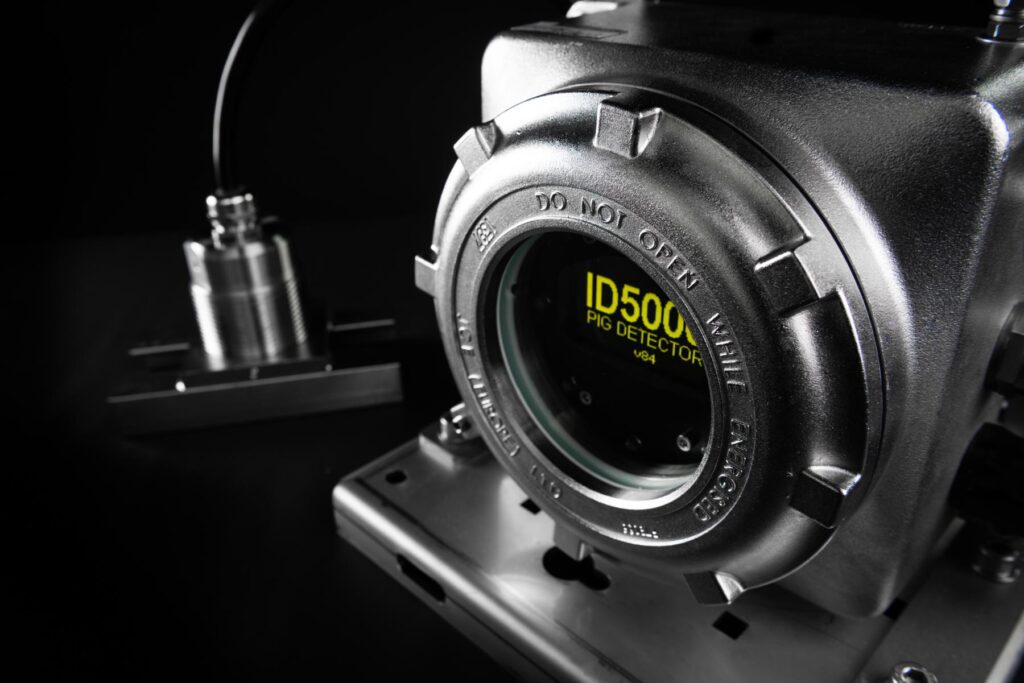
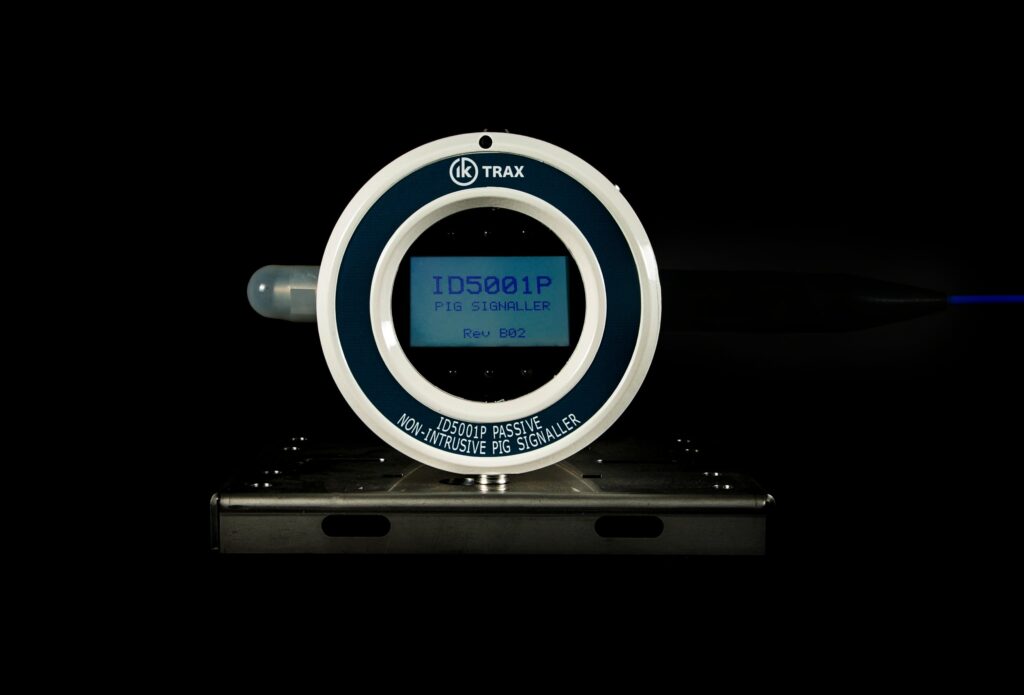
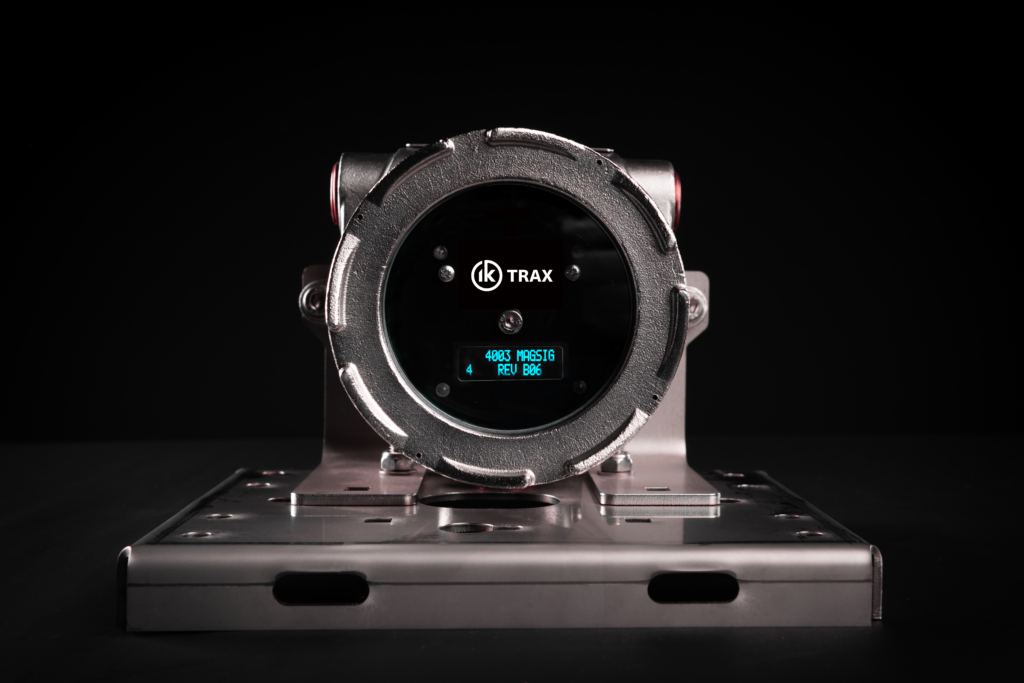
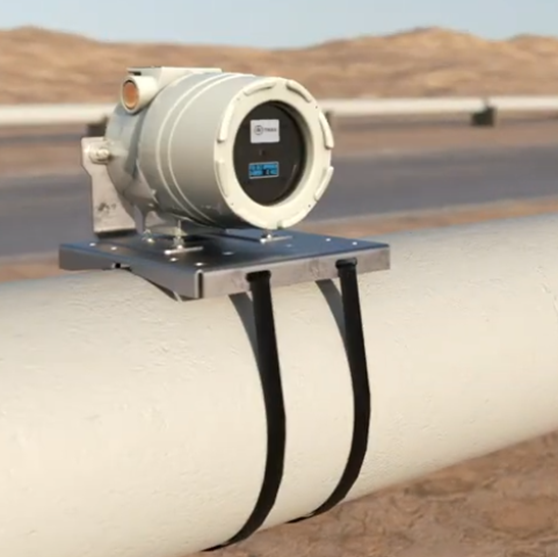
In pipeline operations, selecting the right pig signaller is essential for safe, efficient and reliable pigging. While datasheets outline technical specifications, real-world conditions often demand a more nuanced approach. Over-standardising or selecting technology solely on an outdated specification can result in poor performance, missed detections, or unnecessary operational risk.
This Buyer’s Guide breaks down the three primary pig signaller technologies – magnetic, ultrasonic and acoustic – and explains how each performs in practice, helping you identify the most suitable solution for your pipeline.
Understanding the Three Main Technologies
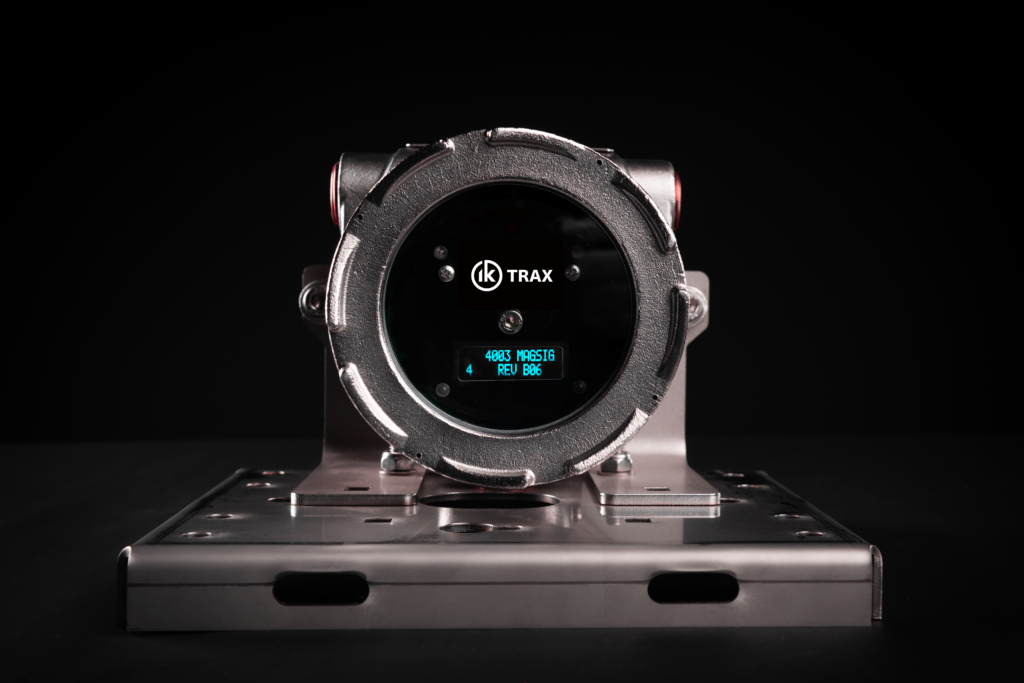
Magnetic Pig Signallers – Reliable, Targeted Detection Across Multiple Pig Types
Magnetic pig signallers detect changes in magnetic field as a pig carrying magnets passes the sensor. Because magnets can be installed onto most pig types, magnetic detection is one of the most flexible and widely applicable technologies available.
This approach is straightforward, highly dependable and offers a clear, unambiguous trigger signal that is not influenced by pipeline noise or vibration. The cost of adding magnets is comparatively low, making magnetic detection easy to adopt in most operations.
Strengths
Works with a wide variety of pig types once fitted with magnets (foam pigs, polyurethane pigs, spheres, bi-directional pigs etc)
Low false-positive rate, thanks to detection based on magnetic field rather than acoustic or vibration signatures.
Simple, robust and low-maintenance, with excellent on-site reliability.
Suitable for both liquid and gas pipelines, making it a versatile choice across many operating environments.
Cost-effectivefor routine cleaning, batching, dewatering and general maintenance pigging.
Considerations
Magnets must be fitted to the pig – either during manufacture or retrofitted later.
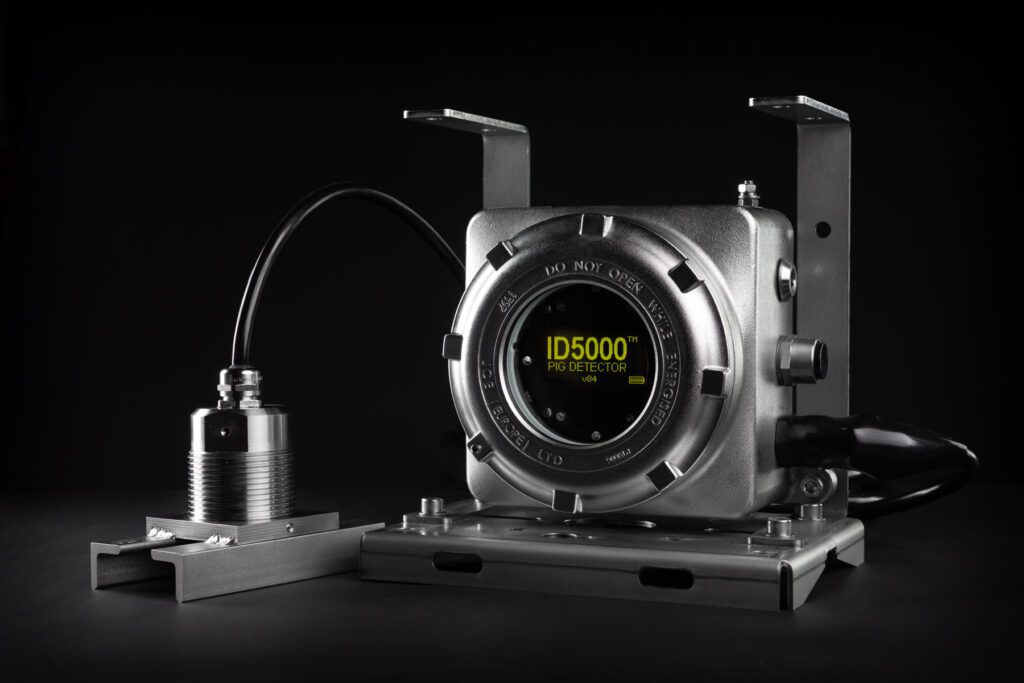
Ultrasonic Pig Signallers – Versatile Detection in Liquid-Filled Pipelines
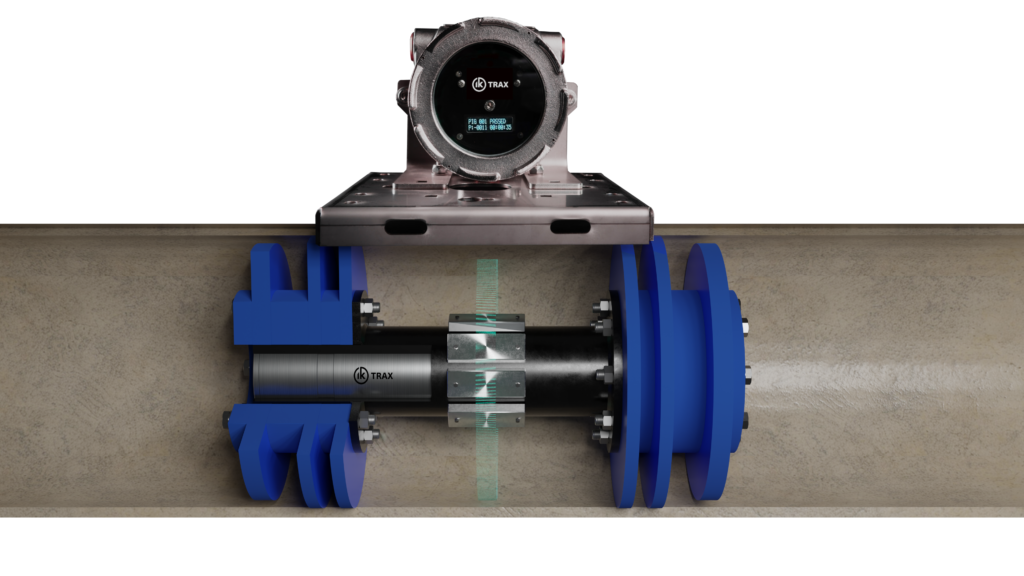
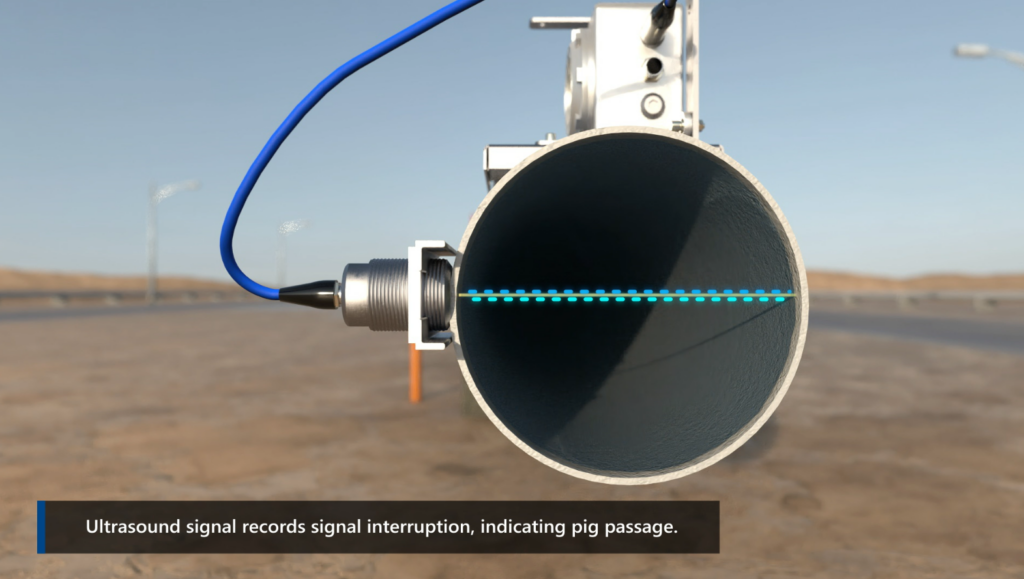
Ultrasonic pig signallers required a liquid-filled pipeline to operate effectively. They work by transmitting pulses through the pipe wall and detecting changes when a pig interrupts the signal path. They can detect any pig type, making them a strong choice for systems that use a variety of cleaning or speciality tools.
Strengths
Suitable for all pig types in liquid systems.
Highly versatile.
Can assist with identifying or confirming the location of stationary pigs.
Effective in operations requiring adaptable detection using a variety of pig types.
Considerations
Only effective in liquid-filled pipelines; not suited for gas systems.
Requires correct installation and good coupling to ensure accurate detection.
Performance can vary if the line has inconsistent liquid fill or large debris.
May require more precise setup than magnetic systems.
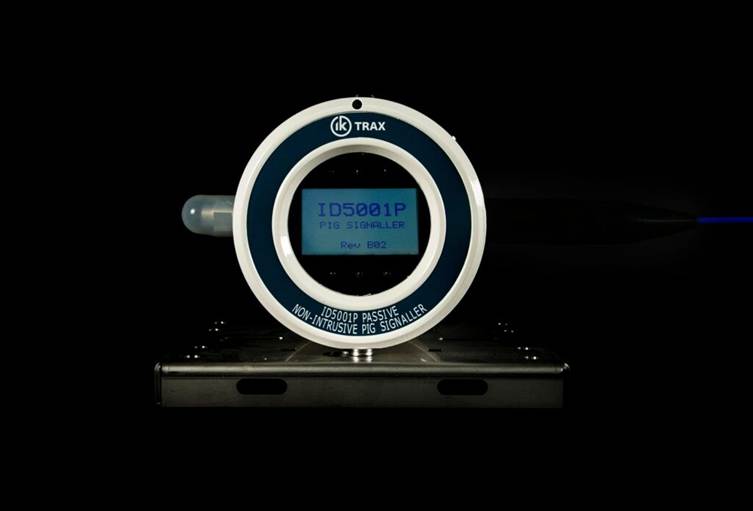
Acoustic Pig Signallers – Flexible Detection Based on Pig-Generated Noise
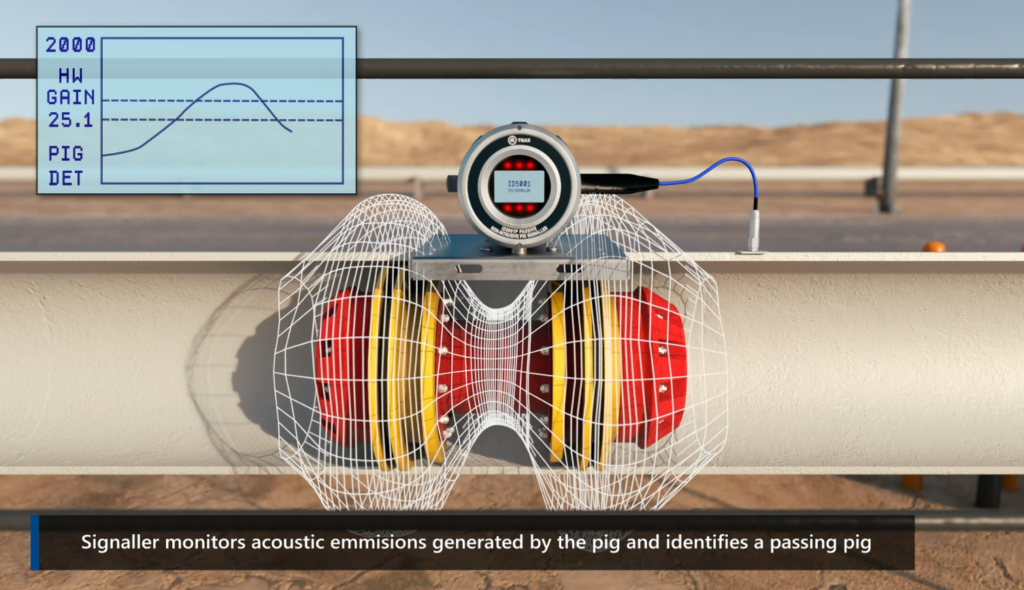
Acoustic pig signallers detect the characteristic sound signature produced as a pig moves through the pipeline. This method does not rely on magnets or additional equipment, making it practical where pig modification is not desirable or possible. Acoustic signallers are especially effective when pigs generate a strong, distinct noise profile, such as solid polyurethane or bi-directional pigs.
Strengths
No pig modification required – works without magnets or transmitters
Useful in non-liquid pipelines and situations where magnetic is not a practical solution
Considerations
Due to different types of pigs producing different levels of noise, the system often needs to be calibrated for the individual pig to ensure reliable detection
Background pipeline noise (valves, vibration) may cause false positives
Quieter pigs may not produce a detectable sound profile
Not always ideal in locations with heavy mechanical interference
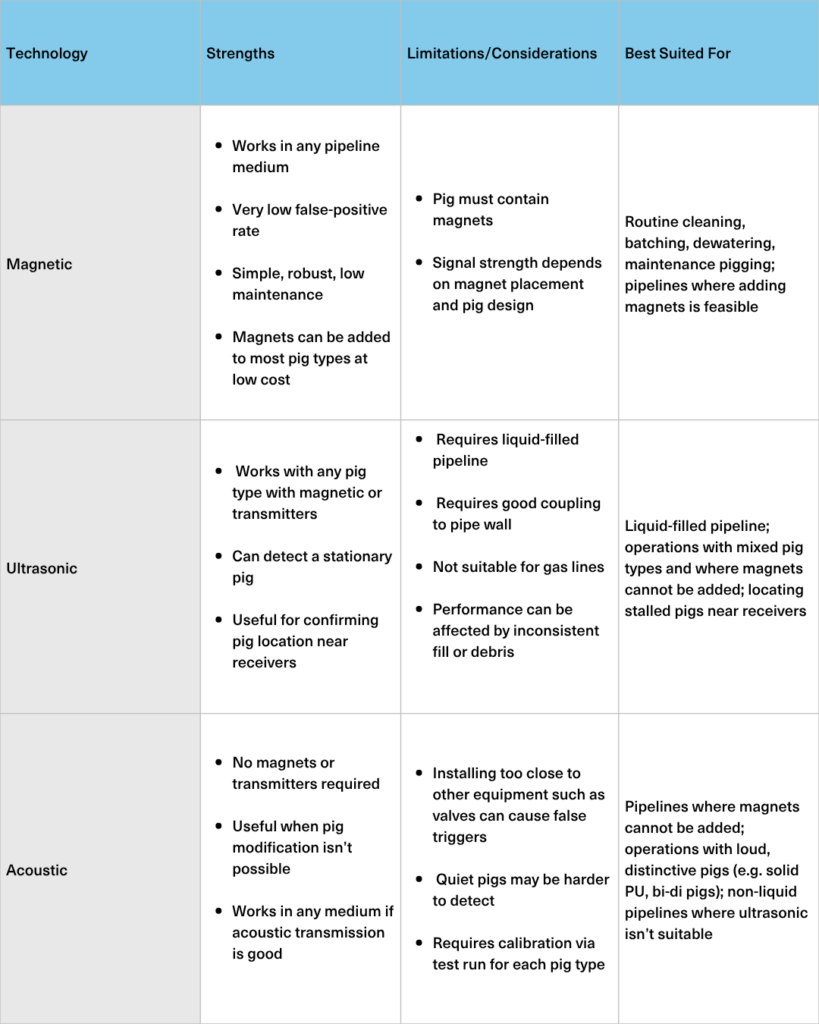
Summary of Non‑Intrusive Pig Signaller Types:
Standardisation vs Real-World Conditions
In many projects – especially larger CAPEX developments – there is a preference to standardise equipment across assets or entire facilities. While this approach can simplify procurement, it doesn’t always reflect the reality of how different pipelines operate.
Pig signaller performance is influenced by factors such as:
Pig type
Pipeline medium
The level of background noise or vibration
Whether the pig can carry magnets
Because these conditions vary from line to line, one technology may perform perfectly in one location but struggle in another. Relying on a single “default” signaller type can therefore lead to missed detection or reduced reliability in situations it wasn’t designed for.
A better approach is to treat standardisation as a starting point – and then adjust the chosen technology where real-world conditions justify it. This ensures each pipeline gets a pig signaller suited to its actual operating environment, pigging practices and detection needs.
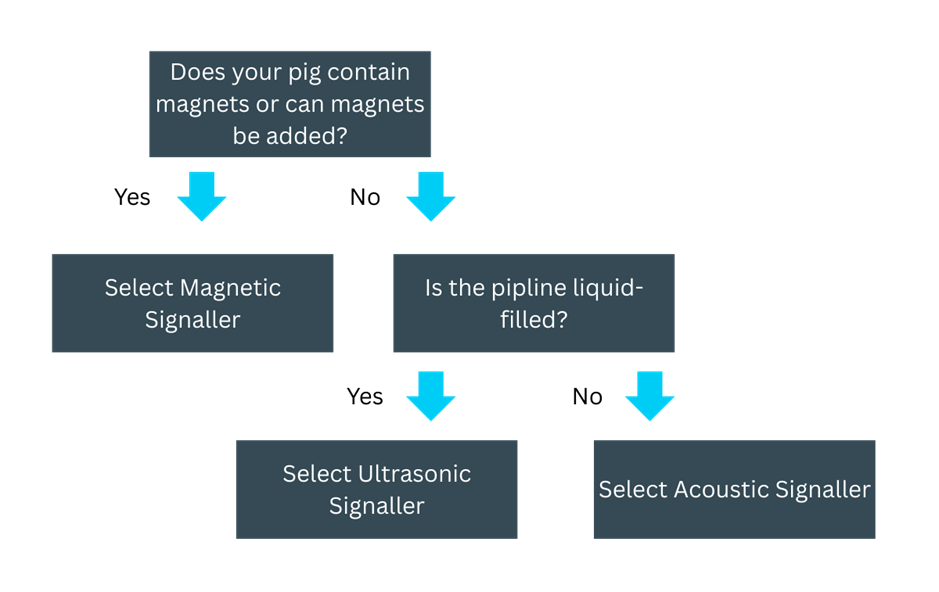
The below flow chart can be used to determine the most suitable signaller type for your application. For further guidance, please contact the IK Trax team.
Conclusion
Choosing the right pig signaller depends on the pig type, the pipeline medium and the operational environment. Each technology has its strengths, but real-world conditions often determine which option will provide the most reliable performance. Reviewing these factors early in the planning stage helps ensure the signaller selected is truly suited to the line.
Electromagnetic pig tracking offers a range of practical advantages that help improve the efficiency and reliability of pipeline operations. By detecting a transmitter fitted to the pig, operators can confirm its position at key points along the line or pinpoint the location of a stationary pig when required. This article outlines six key benefits of EM pig tracking a explains how the technology supports smoother, more predictable and more controlled pigging activities.
1. Accurate Locating
One of the core advantages of electromagnetic pig tracking is its accuracy. EM receivers allow operators to identify the transmitter’s null spot, confirming the pig’s position to within a few centimetres. Modern receivers and apps also provide visual confirmation through live signal strength and spectrum views, helping operators clearly interpret the pig’s location with confidence at any stage of the operation.
2. Operational Efficiency
Knowing the pig’s exact location throughout the run improves overall operational efficiency. Whether confirming successful launch and receipt or verifying progress at planned checkpoints, EM tracking removes uncertainty and enables other activities to continue without delay. This is especially valuable during subsea campaigns, where vessel time is limited and any pause in operations can have significant cost implications.
Modern EM systems also support efficient “leapfrog” tracking, allowing operators to move quickly between detection points while maintaining awareness of the pig’s progress. Apps and receiver visualisation tools provide real-time signal information, helping teams confirm that the system is functioning correctly and that the pig is where it is expected to be. This reduces unnecessary waiting, improves workflow coordination and supports smooth, more predictable pigging operations.
3. Reduced Operational Downtime
If a pig stalls during the operation, being able to locate it quickly is critical. EM tracking allows operators to narrow the search area quickly and focus directly on the confirmed position, rather than checking long sections of pipeline. This helps reduce the duration of unplanned downtime and limits the operational and financial impact of delays – particularly in subsea or remote environments where vessel time and access constraints can significantly increase costs.
Accurate locating also supports efficient planning of recovery activities, helping teams respond in a controlled and timely manner and reducing the uncertainty that can otherwise slow operations.
To read how IK Trax equipment has been used to locate stuck pigs, click here.
4. Enhanced Confidence
EM pig tracking provides operators with clear confirmation that the pig is exactly where it is expected to be. This assurance is valuable throughout the operation – not only when locating a stalled pig, but also when verifying that the pig has passed key points such as valves, tees or receivers. Accurate, real-time detection removes uncertainty and gives operators confidence to progress with the next steps, knowing the pig has safely cleared the required section of pipeline.
5. Cost Savings
While the initial investment in an EM pig tracking system may be higher than older or less capable alternatives, the long-term operational savings can be significant. Accurate, reliable locating helps minimise downtime, reduce vessel or crew time during offshore operations and avoid delays caused by uncertainty. Modern apps and visualisation tools also streamline setup, verification and troubleshooting also streamline setup, verification and troubleshooting, reducing the likelihood of repeat runs or extended field time.
These factors combine to deliver a more efficient overall workflow and lower lifetime operating costs, making EM pig tracking a cost-effective choice for both routine and complex pigging operations.
6. Adaptability
EM pig tracking systems are highly versatile and perform reliably across a wide range of operating environments. They can be used onshore, topside or subsea, in pipelines carrying either liquid or gas, and in more complex configurations such as trenched lines and pipe-in-pipe systems. Modern multi-frequency receivers and transmitter configuration options also make it easier to tailor the setup to suit different pig types and operational requirements.
This adaptability means the same equipment can be used across multiple projects, reducing the need for specialised tools and providing a consistent tracking method regardless of pipeline conditions.
Conclusion
Electromagnetic (EM) pig tracking provides a reliable and effective way to monitor pig movement and confirm location throughout an operation. Its accuracy, adaptability and ability to support clear decision-making make it a valuable tool for both routine and complex pigging campaigns.
Non-intrusive pig signallers detect the passage of a pig using sensors mounted on the outside of the pipeline. Unlike intrusive models, they do not penetrate the pipe wall or rely on the mechanical triggers. This article explains the operating principles behind the main non-intrusive detection technologies – magnetic, ultrasonic and acoustic – and outlines how each method identifies a pig as it passes key points along a pipeline.
What Is A Pig Signaller?
A pig signaller, sometimes called a pig detector, is a device used to confirm that a pig has passed a specific point on a pipeline. While “signallers” and “detector” are often used interchangeably, both terms describe equipment designed to identify a pig’s movement and indicates its passage. Signallers are commonly installed at launchers, receivers and critical points along the pipeline to support safe and efficient pigging operations. When a pig is known to have passed one signaller but not the next, the search area can be narrowed quickly before tracking equipment is deployed.
There are two types of pig signallers:
Intrusive – use a mechanical trigger inside the pipeline
Non-intrusive – use external sensing technologies to detect the pig without intruding into the pipe.
This article focuses exclusively on how non-intrusive signallers work.
Technology Overview
Before diving into the many smart features and benefits of non-intrusive signallers, we will outline the different technologies available and their application.
Magnetic
Magnetic pig signallers are not a new technology but they have evolved to become more reliable, configurable and easier to use. The work across any pipeline medium – the only requirement is that the pig carries magnetics.
Magnetic Sensor: A magnetic sensor – either integrated into the unit or supplied on a cale for buried lines or limited-access locations – monitors the change in magnetic field strength as the pig approaches. When the field reaches a pre-set threshold, the signaller registers “Approach.”
Pig Detection: As the pig passes the signaller and continues along the pipeline, the magnetic field drops. This change is used to confirm “Pig Passage.”
Detection Alert: Once passage is detected, the signaller activates an alert. This may be a local visual indication (e.g LEDs), and/or a remote signal to a control room or handheld device. The event is also logged with date and time for later review.
Reset and Readiness: After signalling, the unit resets automatically after a pre-determined interval so it is ready for the next pig. If preferred, it can also be reset manually via the push button or from the control system.
The sensitivity to magnetic field changes deliver clear, timely indications which is why magnetic signallers remain a preferred choice for many operators. As an additional note, the cost of adding magnets to a pig is comparatively low, so where pig design allows, magnetising the pig is generally recommend to enable this simple and robust detection method to be used.
Ultrasonic
Ultrasonic pig signallers offer a sophisticated approach to pig detection and have the added advantage of being able to detect the position of a stationary pig, not just the passage of a moving one. They also do not require magnets or transmitters on the pig to operate.
Ultrasonic Pulse Emission: The signaller is equipped with an ultrasonic transducer, supplied on a cable, and uses the pulse-echo method to monitor the time of flight of ultrasonic pulses through the pipe. When the unit is first switched on, it establishes a baseline internal diameter for the pipeline from the returned signal. Provided the line is liquid-filled, the device can “see” a stable reaction from the opposite side of the pipe.
Interruption and Detection: When a pig passes the sensor location, it disturbs the flow path and breaks the beam. This interruption changes the apparent diameter reading relative to the baseline the unit established at start-up. The device processes this change to confirm pig passage.
Filtering: The detection algorithm can be calibrated to filter out smaller disturbances – such as debris – ensuring that only meaningful changes in the ultrasonic path trigger a pig-passage event.
Detection Alert: As with the magnetic pig signallers, ultrasonic signallers have the capability to locally or remotely signal pig passage and log pig passage data
Ultrasonic Locating: As pigs approach receivers, they can lose momentum and stall after the main line tee but before the isolation valve. To determine the location of the pig, the operator moves the ultrasonic sensor incrementally along the pipe and monitors the live diameter reading: where the pig occupies the bore, the measured diameter deviates from the baseline; where the bore is clear, the reading returns to baseline. In this way, the operator can map sections of the pig (e.g cups/discs vs gaps) and pinpoint the exact stall position, avoiding unnecessary delays.
Acoustic
Acoustic pig signallers operate on the principle of sound detection and can be used in any pipeline medium without the need for magnets or transmitters. Here is a breakdown of how they function:
Sound Detection: Acoustic Pig Signallers monitor the vibrational and acoustic noise generated as a pig moves through the pipeline. Each pig produces a characteristic acoustic signature and the device listens for these changes at the sensor location.
Filtering and Processing: To avoid false alarms, the detection algorithm filters out background noise and focuses on the sound associated with pig movement. Correct placement is important – these units should not be installed close to valves, pumps or other features that may create similar noise profiles to a passing pig. A short test run is required during installation to calibrate the unit to the specific pig type and to confirm the chosen location provides clear, reliable detection.
Alert Activation: Once the device identifies the sound of a pig approaching, it will signal “Pig Approach.” Once the pig passes the detector and the sound level drops below the threshold, it will signal “Pig Passage.” This indication can be viewed locally or remotely.
System Reset: After a successful detection and alert, the signaller resets to its default state so it is ready for the next detection.
Magnetic, ultrasonic and acoustic signallers work by detecting distinct physical effects at the pipe wall. Knowing how each method generate and validates an indication helps operators install, calibrate and interpret results correctly.
Pig signallers play a vital role in pigging assurance. They are installed at launchers, receivers and strategic points along a pipeline – such as valve stations or bends – to confirm when a pig has passed a specific location. This information is essential for maintaining control of the operation. Without a clear indication of pig passage, operators may be unsure of its position, potentially causing delays while the pig is located. If a pig does stall, signallers help narrow the search to the section between the last confirmed points, enabling faster and safer intervention.
Reliable pig signalling also helps operators minimise unplanned downtime and keeps operations on schedule . As regulatory expectations and safety standards continue to rise, many operators are reconsidering the use of older intrusive equipment in favour of safer, more flexible non-intrusive systems.
For many years, intrusive mechanical signallers were the standard choice. However, the industry is now moving towards safer, non-intrusive and more data-rich solutions. This shift is driven by an increase in awareness around health and safety, a desire to reduce environmental risk, and a growing need for clearer, more flexible access to operational data. Modern non-intrusive systems provide this additional insight while avoiding the risks associated with intrusive designs.
Why the Shift Towards Non-Intrusive Signalling is Accelerating
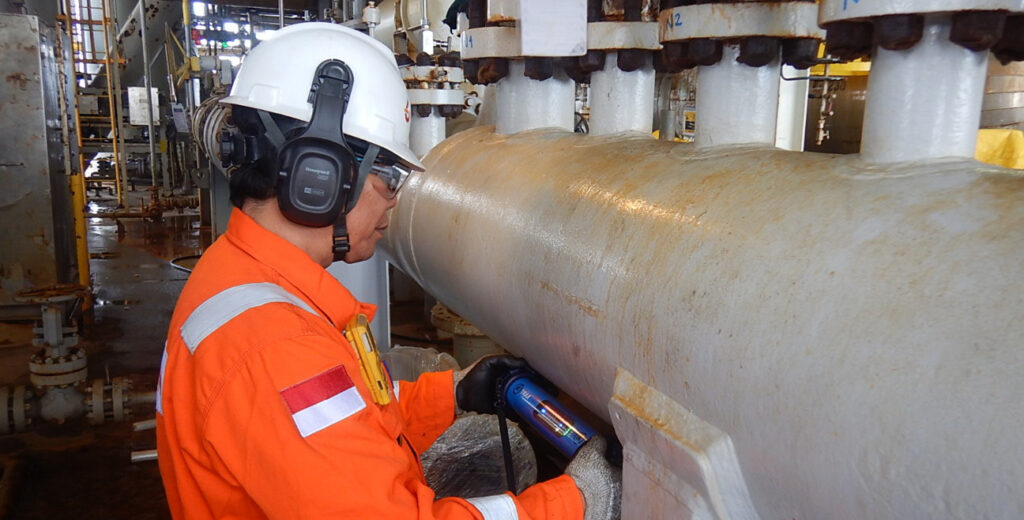
Non-intrusive pig signallers are increasingly becoming the preferred option across the industry and the reasons are clear. Unlike intrusive pig signallers, which require a physical penetration into the pipeline wall, non-intrusive units are simply strapped to the outside of the pipe using ratchet straps or stainless-steel banding. This avoids any pressure-related risk and eliminates the need for specialist installation or hot-work procedures. This process is quicker, safer and requires minimal training.
Intrusive signallers use a mechanical trigger and flag: when the pig pushes against the internal trigger, a flag pops up on the surface to indicate passage and/or sends a signal to the control room. While simple, this mechanism relies on moving parts exposed to wear, corrosion and potentially jamming. Non-intrusive signallers display the pig passage event on a digital interface. This removes mechanical failure points and provides a more reliable, modern method of confirming passage.
While some intrusive signallers may appear more economical upfront, they typically come with a much higher total cost of ownership. Installation time, maintenance requirements, field repair costs and the need for trained technicians all adds up. Intrusive units also rely on mechanical components, which can wear over time and lead to failure. The need to penetrate the pipeline creates an inherent risk – any penetration has the potential to develop into a leak path, allowing product to escape and potentially impact the surrounding environment. Non-intrusive signallers remove these concerns entirely. With no pipe penetration, the line remains sealed, leak paths are eliminated, and operators benefit from a cleaner, safer and more reliable signalling method.
Modern non-intrusive systems also offer far more advanced communication and data options. Pig passage events can be transmitted remotely to SCADA/control systems via RS485 MODBUS, 4-20mA HART or satellite communications, and time-stamped data is automatically stored on the unit. Operators no longer need to be physically present at the point of passage to collect information, and signaller parameters can be adjusted to suit operational requirements. Combined, these factors provide greater flexibility, improved visibility of pig movement and enhanced operational assurance – all without the risks associated with intrusive equipment.
How Non-Intrusive Pig Signallers Work
Non-intrusive pig signallers detect the passage of a pig by monitoring changes as it moves past the unit, rather than relying on a trigger inside the pipe. They use sensors mounted on the outside of the pipeline to identify physical effects generated by the pig itself. This allows the signaller to confirm passage based on what it detects through the pipe wall, rather than requiring any contact with the pig or product.
Several detection methods are commonly used:
Magnetic Detection
When a pig contains magnets, it produces a magnetic field as it travels along the pipeline. Magnetic non-intrusive signallers monitor changes in this field. As the pig approaches, passes and moves away from the unit, the sensor records a distinct rise and fall of the magnetic field, which the system interprets as a confirmed passage.
Ultrasonic Detection
Ultrasonic signallers send ultrasonic pulses into the pipe wall and provided that the line is filled with liquid, the unit can see a reflection of the pulses from the other side of the pig. When the pig moves past the signaller, it disrupts their return path. The system recognises this disturbance as a passage event, making the method particularly effective on liquid-filled pipelines.
Acoustic Detection
Some non-intrusive systems monitor the acoustic signature produced by the pig itself. As pigs move through the pipe, they generate characteristic sounds. The signallers listen for the change in noise as the pig approaches and uses them to determine the moment of passage – a useful option when pigs do not contain magnets or ultrasonic methods are not suitable.
As the pig approaches, the signaller will detect the change in sound. Once the pig passes, the sound levels will return to the default and a pig passage will be signalled.
When to Use Each Technology (Magnetic, Ultrasonic, Acoustic)
Different non-intrusive pig signaller technologies suit different pipeline conditions and pig types. Selecting the right one depends on factors such as pipeline medium, pig design and expected noise environment. Choosing the right technology ensures reliable detection and reduces the risk of false or missed indications.
Magnetic Signallers
Magnetic pig signallers are the most widely used and work effectively when the pig contains magnets. This method is simple, reliable and suitable for any pipeline medium – gas, liquid or multiphase – if the pig itself is magnetised.
Use magnetic signallers when:
The pig contains strong permanent magnets
You need a robust, proven detection method that works across all mediums
Noise or vibration may make other methods less reliable
Ultrasonic Signallers
Ultrasonic signallers are particularly used in liquid-filled pipelines, where the pig’s presence causes a clear disturbance to the ultrasonic path being monitored. They are a good option for pigs that cannot accommodate magnets or when magnets are not practical for the operation. Use ultrasonic signallers when:
The pipeline is liquid-filled
Pigs do not contain magnets
Acoustic Signallers
Acoustic pig signallers detect pigs by monitoring the sound they generate as they move through the pipeline. Each pig creates a specific acoustic pattern, and the signaller listens for this change to confirm passage. This method is useful where pigs cannot be fitted with magnets and where ultrasonic technology is not suitable.
However, acoustic signallers come with important limitations. Their performance is highly dependent on the noise environment around the line and the specific pig design. Due to different types of pigs producing different levels of noise, the system often needs to be calibrated for the individual pig to ensure reliable detection. This means acoustic signallers do not operate seamlessly across a broad range of pig types. In noisy or high-vibration environments, detection can be more challenging – reflecting the practical issues seen in real operating conditions.
Some of these risks can be mitigated by placing acoustic signallers in optimal locations. For example, avoiding installation too close to valves, pumps or other high-noise sources can significantly improve detection accuracy. Providers can also give guidance during planning to help identify sections of pipeline where the pig’s acoustic signature is more likely to be heard clearly.
Because of these limitations, acoustic signallers are typically recommended only when:
The pig cannot contain magnets, and
The pipeline is not liquid filled (where ultrasonic methods generally perform better)
They remain a valuable option for the right scenario, but they are not universally suitable.
A note on project specifications
In some cases, a particular signaller type may be listed in the project specification. However, specifications are not always aligned with the practical needs of the operation. With the right discussion and technical context, it often becomes clear that the specified technology is not the most suitable option for the pipeline medium, pig type or noise environment. Providing this guidance early helps ensure a more reliable installation and better outcomes for the operator.
Beyond installation and safety advantages, non-intrusive signallers offer significant benefits when it comes to data quality, reliability and operational assurance. Intrusive signallers rely on a mechanical flag inside the pipeline which must be manually reset after each pig passage. If this reset step is missed – or if the internal trigger fails – there is no clear way to know. This can create uncertainty around whether a pig has genuinely passed or whether the equipment simply wasn’t reset correctly. Mechanical components also wear over time, increasing the risk of failure.
Non-intrusive signallers avoid these issues entirely. Their operation is fully electronic, making testing and diagnostics much easier. The units automatically reset after a pre-set period, so operators do not need to worry about manual intervention or the confusion caused by missed resets. Because events are recorded electronically with time and date information, operators have a clear traceable audit trail of each passage, improving confidence during multi-pig operations or extended campaigns. Several IK Trax signallers for example, log up to 99 events with time-stamped data, which can be viewed locally or transmitted remotely.
Another major benefit is communication flexibility. Intrusive signallers typically provide volt free dry contact outputs, limiting how pig passage data can be integrated into wider systems. By contrast, non-intrusive signallers support a range of modern communication options including 4-20mA, MODBUS and Bluetooth, as well as long-range wireless options such as LoRaWAN or satellite communication for remote or unmanned sites. These capabilities make them particularly suitable for remote block valve stations, cross-country pipelines, temporary pigging operations and unmanned facilities, where physical access is limited and reliable remote indication is essential.
Because non-intrusive signallers have no moving parts, they also offer better long-term reliability, with almost no wear-related failures compared to intrusive devices. Finally non-intrusive signallers integrate more naturally into today’s digital pipeline environments. As more operators transition to remote monitoring and centralised control rooms, the ability to feed accurate, real-time data into SCADA and other control systems becomes increasingly important. Non-intrusive signallers support this shift by providing consistent, digital and easily transferable data, something intrusive technologies were never designed to do.
Final Considerations for Choosing the Right Signaller
While each non-intrusive signaller technology has its place, magnetic signallers are often the most effective and reliable option when the pig can accommodate magnets. The cost of adding magnets is comparatively low, and doing so opens the door to a solution that performs consistently across all pipeline mediums and in a wider range of operating environments. For this reason, magnetising the pig is generally recommended wherever it is practical to do so.
Ultrasonic and acoustic signallers remain important alternatives for scenarios where magnets cannot be used or where the pipeline medium dictates a different detection method. Each technology comes with its own strengths and limitations, so understanding the pipeline conditions, pig type and noise environment is key to selecting the most suitable option.
In some projects, a specific signaller type may be listed in the technical documentation. While this can provide useful initial guidance, it is always worth considering whether conditions on the pipeline allow for a more reliable or more versatile option. Taking a moment to review the pig type, the medium and the overall operating environment can help ensure the signaller chosen will provide the best performance and the highest level of assurance during the pigging operation.
Although the terms pig tracking and pig locating have distinct meanings, they are often used interchangeably. In many cases, pig tracking is used as a catch‑all term to describe both monitoring a pig’s movement and identifying the position of a stationary pig. For the purposes of this article, we will use pig tracking to refer to both activities.
Why Pig Tracking Matters
Pig tracking (sometimes referred to pig locating) is a key operational requirement during any pigging job. It involves monitoring the movement of a pig along the pipeline or confirming the location of a stationary pig. In many cases, tracking is simply used to verify that a pig has reached the expected location, such as the receiver. In other situations, it may be needed to help locate a pig that has stalled on its way through the line. Knowing exactly where the pig is at each stage is vital. Confirming arrival in the receiver removes uncertainty and avoids unnecessary delays, while identifying the location of a stalled pig becomes critical to prevent further disruption to the operation.
This urgency is even greater during subsea pigging campaigns, where vessel costs are high and delays can quickly affect project budgets. Stalled pigs in subsea environments can lead to extended vessel time and operational downtime, making rapid and reliable tracking essential.
Pig tracking systems typically consist of two key elements:
A device attached to the pig such as an electromagnetic transmitter
A device outside the pipeline – often a handheld receiver – used to detect the signal
Pig tracking as a concept is straightforward – detect a signal generated by a device mounted on the pig such as a transmitter – but industry expectations have changed significantly. Operators now expect a higher level of reliability, accuracy and real-time visibility and there is increasing focus on using technology to improve assurance and reduce the time spent searching for a pig’s location. As a result, modern tracking systems are designed not only to detect pig passage but to provide better data, improved flexibility and clearer insight throughout the operation.
Overview of Pig Tracking Methods
There are several types of pig tracking systems used across the industry. Each relies on a different method of detecting a signal from the pig, and each comes with its own set of benefits and limitations.
Acoustic Tracking
Acoustic pig tracking has been used for many years and was traditionally the go-to option for subsea pigging projects. An acoustic pinger is mounted on the pig, and the signal is detected using a diver-held or ROV-mounted hydrophone and receiver. Acoustic technology is effective for detecting a signal over long distances, but it is not designed for pinpoint accuracy. It is also limited to subsea, liquid-filled pipelines that are not buried, which makes it far less flexible for wider pipeline operations.
Radioactive Isotope (RAI) Tracking
RAI tracking involves attaching a small radioactive source to the pig and using an external gamma receiver to monitor its progress. RAI is highly accurate and removes any concern over battery life. However, it is heavily regulated, requires specialist handling and trained operators and can be difficult and expensive to ship. These logistical challenges often limit its practical use despite its technical effectiveness.
Electromagnetic (EM) Tracking
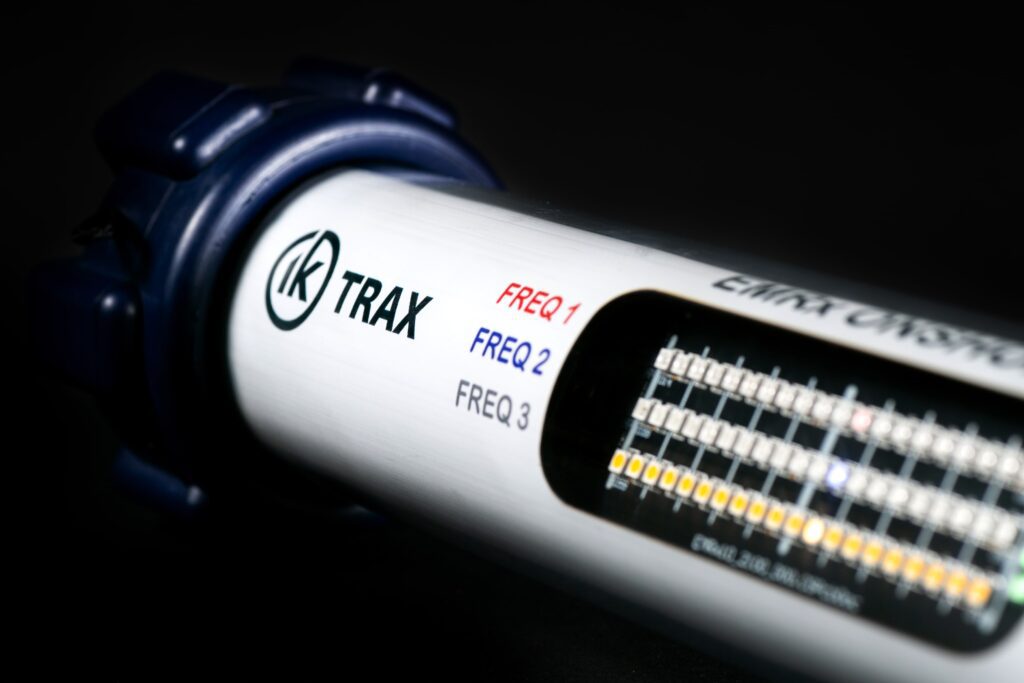
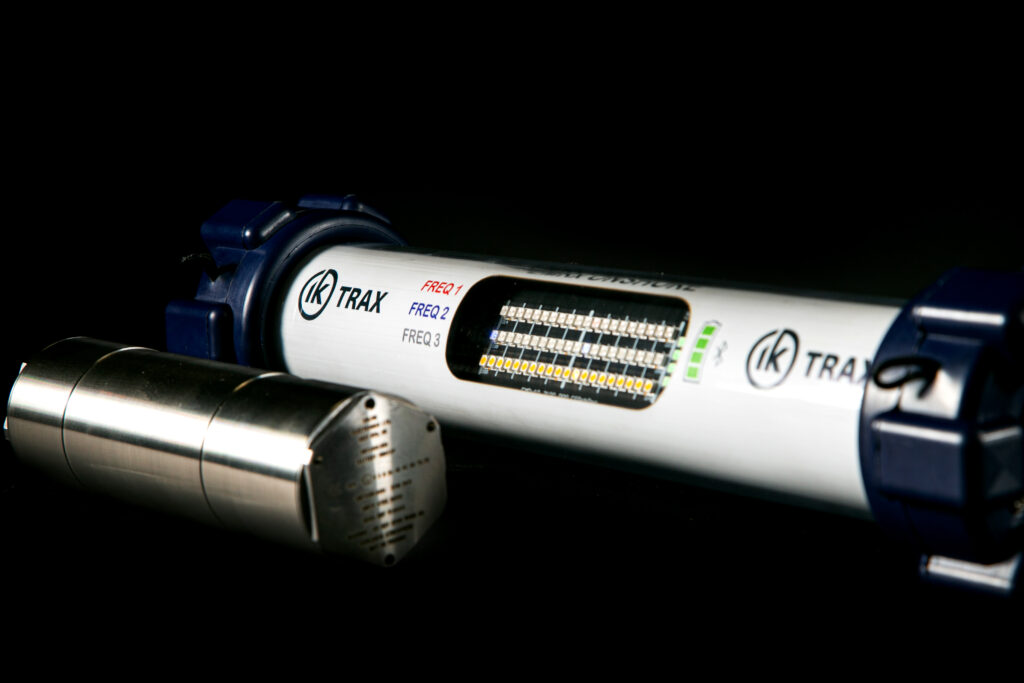
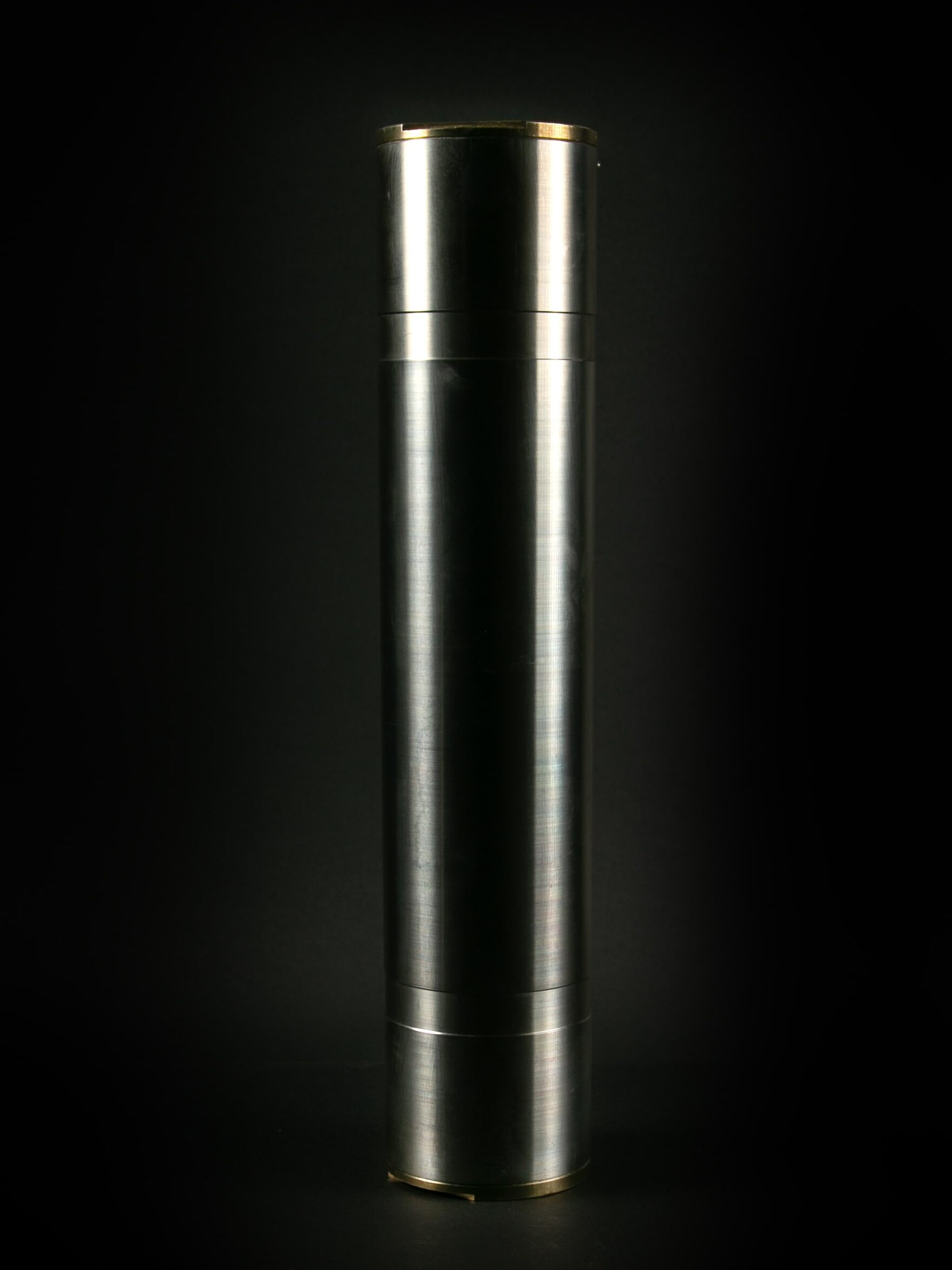
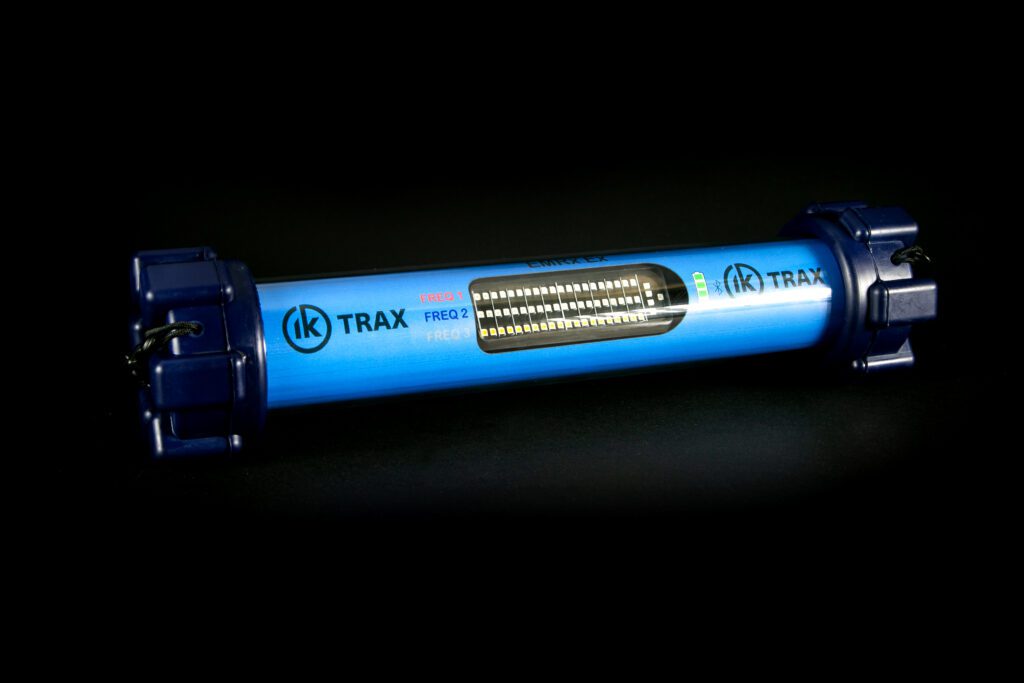
Electromagnetic pig tracking is the most versatile of the available options. It can be used onshore, offshore and subsea, with any pipeline medium, and even when the pipeline is buried or trenched. An EM transmitter inside the pig generates a signal that can be detected externally using a handheld receiver or an above-ground device. With IK Trax’s EMRx Receiver, the signal is typically represented by LED bar graphs which display received signals at any three frequencies between 10Hz and 30Hz. EM tracking can locate a pig to within centimetres, making it a highly accurate option for both routine passage confirmation and the rapid location of a stalled pig. Many EM receivers can also detect magnetic signatures, adding further flexibility when pigs are fitted with magnets.
Electromagnetic Pig Tracking and Real-World Considerations
Electromagnetic (EM) pig tracking has become the industry’s preferred solution for good reason. It is the most versatile tracking method available, suitable for onshore, offshore and subsea pipelines, regardless of whether the line carries gas or liquid. EM systems are straightforward to operate, highly accurate and supported by a wide range of transmitter and receiver models. The technology allows operators to locate a pig to within centimetres and provides the confidence that if required, the pig can be found quickly and efficiently. For most operators, EM tracking acts a practical form of insurance; if something unexpected happens, the tools are in place to respond.
Another advantage is the safety profile. EM transmitters typically use alkaline cells and many models are available with hazardous-area certification, making them suitable for a broad range of operating environments. Combined with modern configuration apps and clear, digital receiver displays, EM tracking offers a level of reliability and ease of use that other tracking methods cannot match. It also supports a wide range of operational scenarios, from simple passage confirmation to the swift locating of stalled pigs.
Although EM tracking is straightforward to deploy, there are still operational factors to consider to ensure optimal performance. These challenges usually relate to the pipeline itself and the environment in which the equipment is used. With buried pipelines, the distance between the transmitter and the receiver naturally increases, which can reduce the signal detected at the surface. It’s not just the depth that matters – the make-up of the ground (e.g local substrate and how well it transmits or attenuates the signal) can further affect detection performance. Pipeline wall thickness can have a similar effect. The thicker the wall, the more material the EM field must pass through. In all of these cases, you can adjust receiver sensitivity and/or transmitter output or frequency but there are trade-offs; higher gain can introduce more background noise and higher transmit power reduces battery life. Finding the correct balance between these settings is therefore essential.
Pig design is another important consideration. EM transmitters may experience reduced signal strength or decreased battery life when surrounded by certain materials. For example, a 315 stainless steel pig body generally provides good performance, whereas carbon steel can cause significant attenuation. Correct placement of the transmitter within the pig also contributes to reliable detection.
To address these factors, the recommended approach is to carry out representative testing ahead of the pigging operation whenever possible but especially when there are known factors which could affect the equipment performance. Testing confirms the capabilities of the selected equipment in real-world conditions and helps identify the most suitable configuration. IK Trax can support this process by working with clients to assess transmitter performance, review settings and ensure that the tracking setup is optimised before operations begin.
Electromagnetic System Capabilities
Modern EM pig tracking systems offer a range of capabilities that make them flexible and easy to use across different pipeline environments. Much of this flexibility comes from the use of configuration and visualisation Apps, which allow operators to adjust settings in the field and understand the signal behaviour in real time.
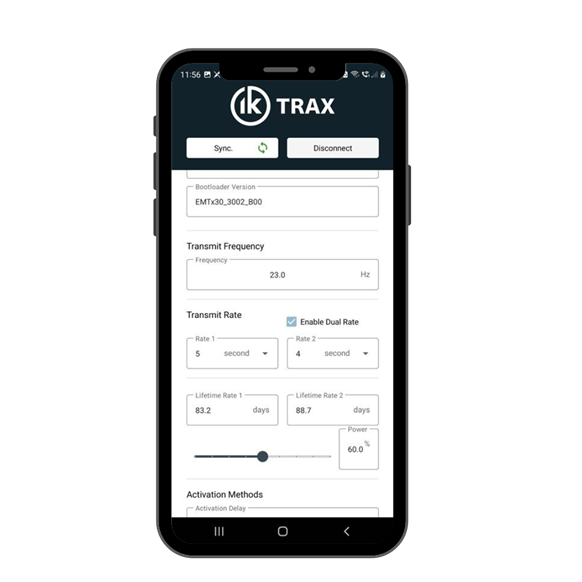
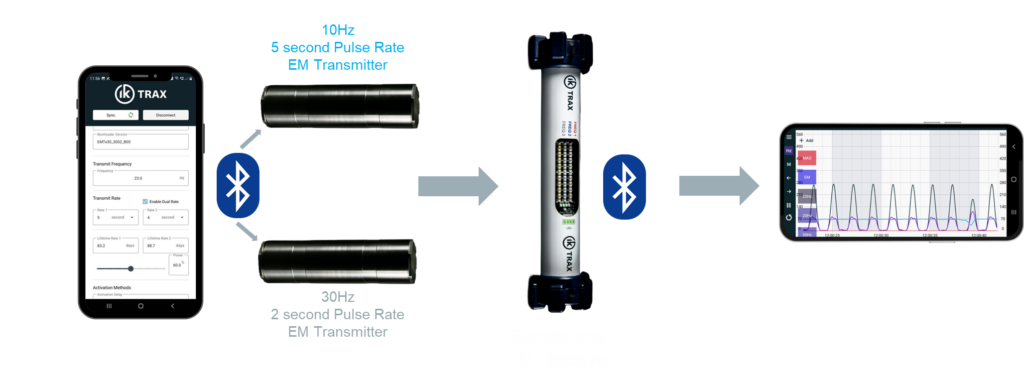
EM transmitters can be programmed using an app – such as the IK Trax EMTx Config App – to suit the requirements of this operation. Parameters including transmit frequency, pulse rate, power level and switch-on delay can all be adjusted quickly on site without returning the unit to the manufacturer. This provides operators with a high degree of flexibility and makes it easy to tailor the transmitter to achieve the right balance between detection range and battery life for the specific project.
On the receiver side, multi-frequency detection is now a common feature. This allows a receiver to detect more than one transmitter at the same time, provided they are configured at different frequencies. This is especially useful when dealing with a pig train or when multiple pigs are being tracked in close succession.
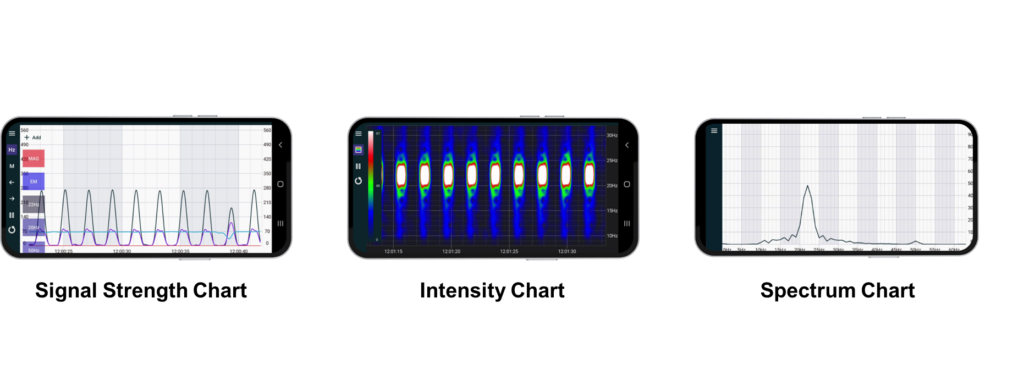
Apps such as the IK Trax EMRx App provide an additional layer of insight into how the signal is behaving. Operators can view live signal strength across up to six colour-coded electromagnetic signals, helping them understand the quality of the received signal at a glance. The app also shows the frequency and pulse rate of one or more signals simultaneously and provides a spectrum view, which is helpful when troubleshooting or identifying noise sources outside the 10-30Hz range of interest.
In addition to visualization, the Receiver App allows operators to scroll through logged data, add markers to points of interest and export this information for reporting or review. It also makes receiver configuration more efficient. Settings such as tracked frequency or gain can be changed directly via the app, rather than using the receiver’s physical push-button interface, which is more time-consuming.
The combined effect of configurable transmitters, multi-frequency receivers and app-based visualisation is a system that is easy to optimise, provides clear insight during the operation and gives operators greater confidence throughout the pigging campaign.
Remote Pig Tracking with Above-Ground Markers
For certain operations, particularly those involving long distance, remote block valve stations or unmanned facilities, it is not always practical for an operator to track the pig with a handheld receiver. In these scenarios, an above-ground marker (AGM) provides an effective alternative. AGMs are positioned at key points above the pipeline and are designed to detect the pig as it passes, without requiring continuous operator presence.
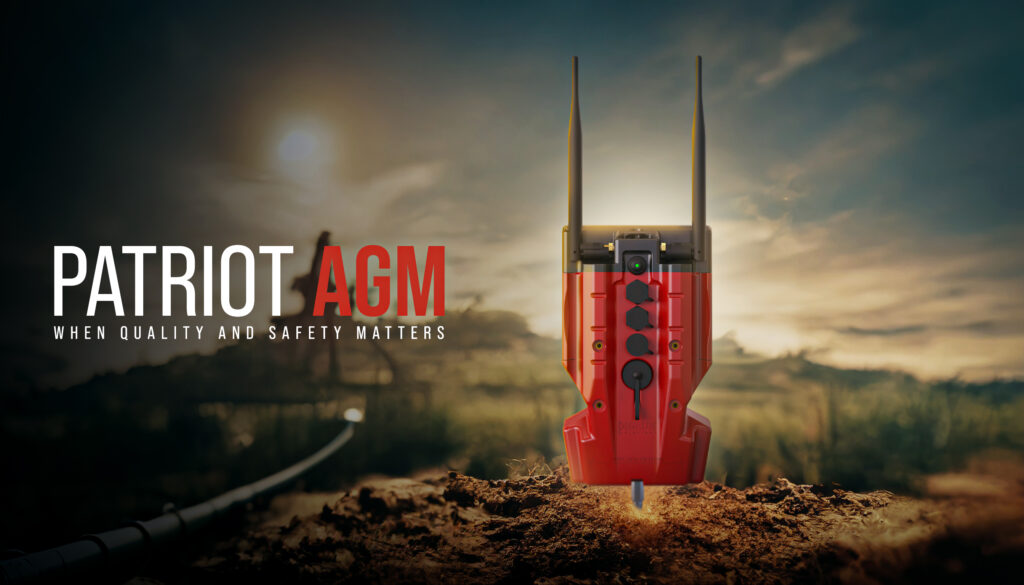
The Patriot AGM is an example of this type of system. It combines magnetic, electromagnetic and acoustic detection, allowing it to identify a wide range of pigs fitted with different tracking devices. This multi-technology approach improves confidence during pigging campaigns, particularly when the pig may be travelling through challenging environments.
One of the main advantages of an autonomous system is the ability to communicate pig location information remotely. The Patriot AGM supports Bluetooth, cellular and satellite communication, making it suitable for pipelines that span remote terrain or areas where physical access is limited. Operators can view live pig passages, receive notifications and review historical events through the Pat Track software, which displays data such as maps, signal graphs and run history. This provides a clear and accessible view of the pig’s progress throughout the operation.
AGMs are particularly beneficial during multi-day pigging campaigns or when working on cross-country pipelines where sending personnel to monitor each location would be inefficient or impractical. They reduce the need for continuous field presence, improve situational awareness and provide reliable confirmation of pig passage at predefined points.
Choosing the Right Tracking Method
Choosing the most suitable tracking method depends on a few key factors: pipeline medium, pig type, access to the line and the level of visibility required throughout the operation. In most cases, electromagnetic tracking provides the most balanced and reliable option, combining accuracy, versatility and ease of use across almost any pipeline environment.
For longer-distance operations for pipelines located in remote or unmanned areas, remote systems such as the Patriot AGM offer an additional layer of visibility by confirming pig passage at fixed points without the need for continuous operator presence. When used alongside EM tracking, they provide a clear and consistent view of the pig’s progress throughout the run.
Other tracking technologies such as acoustic or radioactive isotope systems have their place in specific scenarios, but they are far less versatile and typically for more niche applications.
Reviewing the operational environment, pig design and monitoring requirements early in the planning stage will help ensure the most suitable tracking method is chosen. IK Trax can support this process and provide guidance on selecting the right solution for each project.
Introduction Titian Service supported an offshore pigging campaign where the IK Trax EMRx receiver and EMTx20 transmitter were used for pig tracking after a pig became lodged in the pipeline. With the in situ signal system not functioning and offshore conditions creating interference, IK Trax equipment provided clear, consistent detection that enabled the team to confirm the pig’s position and safely retrieve it.
Challenges The pig was launched through a 14 inch gas pipeline around 3.2 km in length. After launch, pressure and noise readings suggested it had reached the receiver. However, when the barrel was opened, the pig was not there. With the original signal system out of action and offshore vibrations creating background noise, pig tracking became more difficult. The pipe wall thickness was 23.83 and this was taken into account.
Solutions Titian used IK Trax EMRx receivers at both the launcher and receiver for pig tracking. When the pig failed to arrive, scanning was carried out along the riser and receiver area using the EMRx, alongside an EMTx20 transmitter installed in the pig. Although false signals were encountered due to background noise, one location showed a consistent, localised transmission. The pig was confirmed to be stuck near a valve, where a mechanical obstruction had occurred. Once corrected, the pig was released and safely recovered.
Conclusion This project demonstrated the reliability of IK Trax pig tracking solutions by using the EMRx receiver and EMTx20 transmitter in offshore pigging operations. When other systems were unavailable, IK Trax provided the clear, consistent tracking needed to safely complete the campaign.
Result The EMRx and EMTx20 worked together to deliver a steady, reliable signal that helped the team confidently locate the pig. Detection through the pipe wall in an offshore setting with environmental interference was still possible after six days. The operation was completed without the need for contingency measures, and the IK Trax system supported safe decision making throughout.
Interested in hearing more about this, or other applications? Contact: sales@iktrax.com
This website uses cookies so that we can provide you with the best user experience possible. Cookie information is stored in your browser and performs functions such as recognising you when you return to our website and helping our team to understand which sections of the website you find most interesting and useful.
Strictly Necessary Cookies
Strictly Necessary Cookie should be enabled at all times so that we can save your preferences for cookie settings.
If you disable this cookie, we will not be able to save your preferences. This means that every time you visit this website you will need to enable or disable cookies again.
3rd Party Cookies
This website uses Google Analytics to collect anonymous information such as the number of visitors to the site, and the most popular pages.
Keeping this cookie enabled helps us to improve our website.
Please enable Strictly Necessary Cookies first so that we can save your preferences!